Your One-Stop Shop for Everyday Essentials & Unique Finds









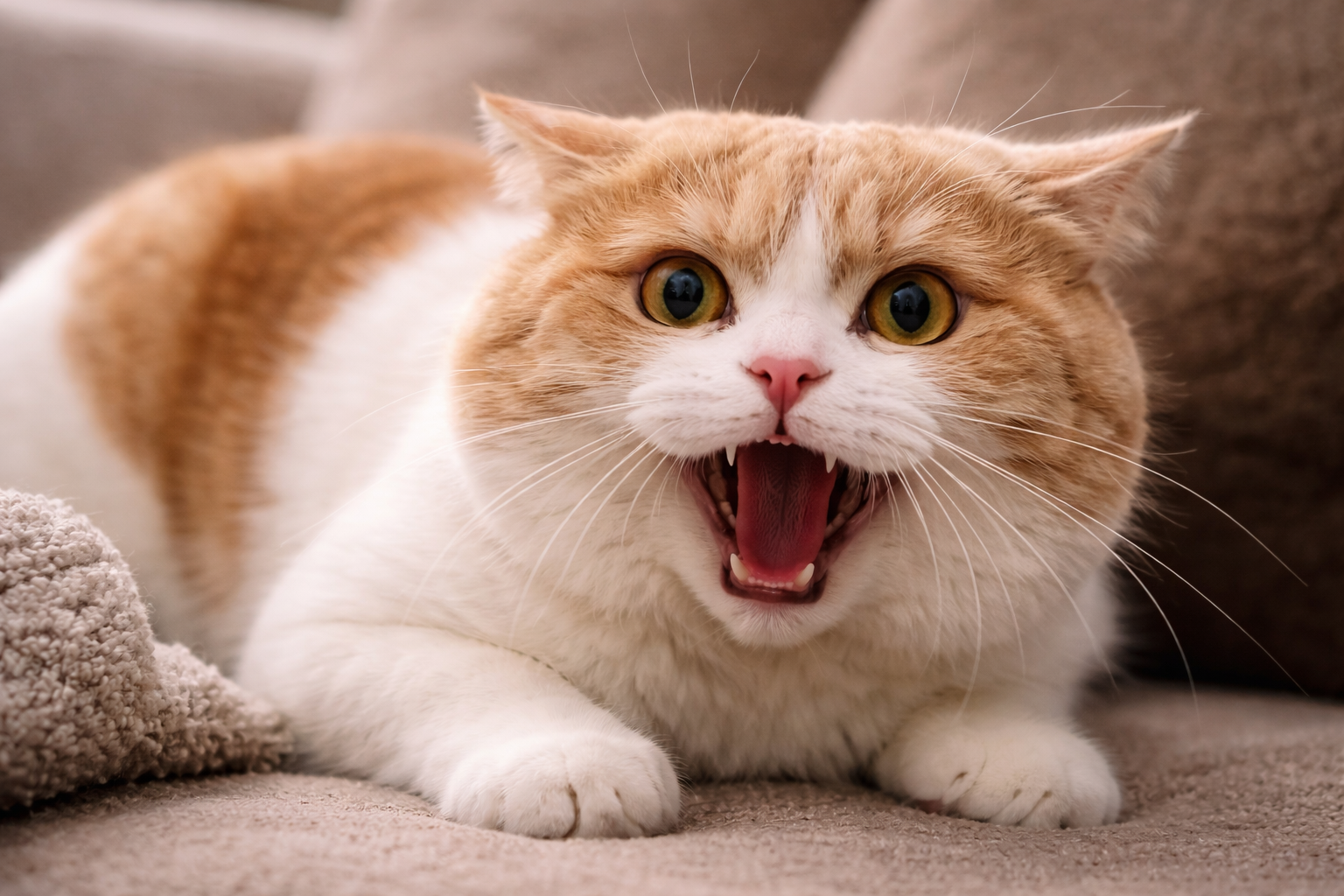
Unmasking Hidden Cat Stress Signs
Secret Signals: Unmasking Hidden Cat Stress Signs Before It's Too Late!
Imagine this: your feline friend, usually a purring, playful shadow, is suddenly withdrawn, skittish, or even aggressive. Are they simply having an off day, or is something deeper troubling your beloved companion? As devoted cat owners, we pride ourselves on understanding our feline friends, but sometimes, the subtle language of cat stress signs can be easily missed. This article will pull back the curtain, offering an in-depth look at the often-overlooked indicators of stress in cats, along with practical, actionable strategies to create a calmer, happier life for your furry family member.
Decoding Feline Distress: Common Cat Stress Signs
Cats, masters of disguise, often mask their discomfort. Recognizing the early signs of stress is crucial for proactive intervention. Look beyond the obvious and observe these potential red flags:
- Changes in Appetite: A sudden loss of interest in food or, conversely, compulsive overeating can signal anxiety.
- Litter Box Issues: Urinating outside the litter box, either as spraying or full voiding, is a common stress response. This is especially typical in multi-cat homes.
- Excessive Grooming: While cats are known for their fastidious habits, excessive licking, especially to the point of hair loss, indicates underlying stress or even an obsessive-compulsive disorder.
- Withdrawal or Hiding: A normally social cat suddenly disappearing for extended periods is a worrisome sign.
- Increased Vocalization: Excessive meowing, hissing, or growling can be expressions of fear or anxiety.
- Aggression: Uncharacteristic snapping, biting, or swatting, either towards humans or other pets, suggests heightened stress levels.
The Silent Language: Body Language Clues to Cat Stress
Cats communicate extensively through body language. Learning to interpret these non-verbal cues can offer valuable insights into their emotional state:
- Posture: A tense, hunched posture, often with a lowered head and tucked tail, indicates fear or anxiety.
- Tail Twitching or Flicking: While a gentle tail wag can signify contentment, rapid, agitated tail movements suggest irritation or stress.
- Ears: Ears flattened to the sides of the head or constantly swiveling indicate alertness and anxiety.
- Eyes: Dilated pupils in normal lighting conditions can be a sign of fear or stress. A direct, unblinking stare can signal aggression.
- Whiskers: Tightly pulled back whiskers suggest anxiety or fear, while relaxed whiskers indicate a calm state.
Behavioral Shifts: Identifying Stress-Related Changes in Cat Behavior
Beyond body language, certain behavioral changes can be indicative of cat stress:
- Restlessness or Agitation: Pacing, inability to settle down, or constant fidgeting.
- Changes in Sleep Patterns: Sleeping significantly more or less than usual.
- Startling Easily: An increased startle response to normal sounds and movements.
- Destructive Behavior: Scratching furniture excessively or other destructive acts can signify frustration and anxiety.
- Clinginess or Increased Demands for Attention: In some cases, stressed cats may become unusually needy.
Environmental Stressors: Minimizing Triggers in Your Cat's World
A cat's environment plays a significant role in its stress levels. Identify and reduce potential stressors:
- Litter Box Issues: Ensure enough litter boxes (one per cat, plus one extra), placed in quiet, accessible locations. Keep them clean!
- Competition with Other Pets: Ensure separate feeding and resting areas for each pet. Supervise interactions and intervene if tension arises.
- Loud Noises: Minimize exposure to loud noises like construction, fireworks, or arguments. Provide a safe, quiet retreat.
- Changes in Routine: Cats are creatures of habit. Major changes, like moving, renovations, or new family members, can be highly stressful. Introduce changes gradually when possible.
- Overcrowding: Ensure your cat has enough personal space and opportunities to escape from crowded areas.
Diet and De-Stress: How Food Influences Feline Anxiety
Diet can significantly impact a cat's emotional state. Consider these dietary adjustments:
- High-Quality Protein: Ensure your cat's food is rich in animal-based protein, as inadequate protein can contribute to anxiety.
- Limited Carbohydrates: High-carbohydrate diets can lead to blood sugar fluctuations, potentially exacerbating stress.
- Omega-3 Fatty Acids: Supplementing with omega-3 fatty acids (found in fish oil) can have calming effects.
- Avoid Artificial Additives: Artificial colors, flavors, and preservatives may contribute to hyperactivity and anxiety.
- Probiotics: A healthy gut microbiome is linked to improved mood. Consider adding probiotics to your cat's diet.
Pheromone Power: Do Pheromone Diffusers Really Work?
Feline pheromone diffusers, such as Feliway, mimic natural cat pheromones that promote feelings of safety and security. Research suggests they can be effective in reducing stress-related behaviors such as urine spraying and scratching. Place diffusers in areas where your cat spends the most time.
Playtime as Therapy: The Role of Play and Exercise in Stress Reduction
Regular play and exercise are vital for a cat's physical and mental well-being. Interactive play sessions help release pent-up energy, reduce boredom, and provide mental stimulation. Aim for at least 15-20 minutes of interactive play per day, using toys like feather wands, laser pointers, or puzzle feeders.
When to Seek Veterinary Help: Recognizing When Professional Intervention Is Needed
While many cases of cat stress can be managed at home, it's crucial to consult a veterinarian if:
- Stress-related behaviors are severe or persistent.
- Your cat exhibits signs of illness along with stress.
- You've tried home remedies without improvement.
Your vet can rule out underlying medical conditions and recommend appropriate treatments, which may include anti-anxiety medications or referral to a veterinary behaviorist.
Calming Treats and Natural Remedies: Exploring Alternative Approaches
Various calming treats and natural remedies are marketed for stressed cats. Ingredients like L-theanine, chamomile, and valerian root are often touted for their calming properties. While some owners report positive results, it's essential to consult your veterinarian before using any supplements, as their effectiveness and safety can vary.
Creating a Feline Paradise: Designing a Stress-Free Home Environment
Ultimately, the best way to minimize cat stress is to create a safe and enriching home environment. Consider these elements:
- Vertical Space: Cats love to climb and observe their surroundings from a high vantage point. Provide cat trees, shelves, or window perches.
- Scratching Posts: Offer a variety of scratching posts in different materials (sisal, cardboard, carpet) to satisfy their natural scratching instincts.
- Safe Havens: Provide multiple hiding places, such as cardboard boxes, covered beds, or quiet corners, where your cat can retreat when feeling overwhelmed.
- Enrichment: Rotate toys regularly to keep your cat engaged. Consider puzzle feeders to stimulate their mind and slow down eating.
- Predictability: Maintain a consistent daily routine to provide a sense of security.
Conclusion: A Lifetime of Calm for Your Feline Companion
Recognizing and addressing cat stress signs is an ongoing commitment, a testament to the bond you share with your feline friend. By understanding the subtle language of distress, minimizing environmental triggers, and providing a supportive and enriching environment, you can ensure a calmer, happier, and healthier life for your beloved cat. Don't wait for the signals to escalate – proactive care is the key to unlocking a lifetime of purrs and peaceful companionship.


Leave a comment