Your One-Stop Shop for Everyday Essentials & Unique Finds

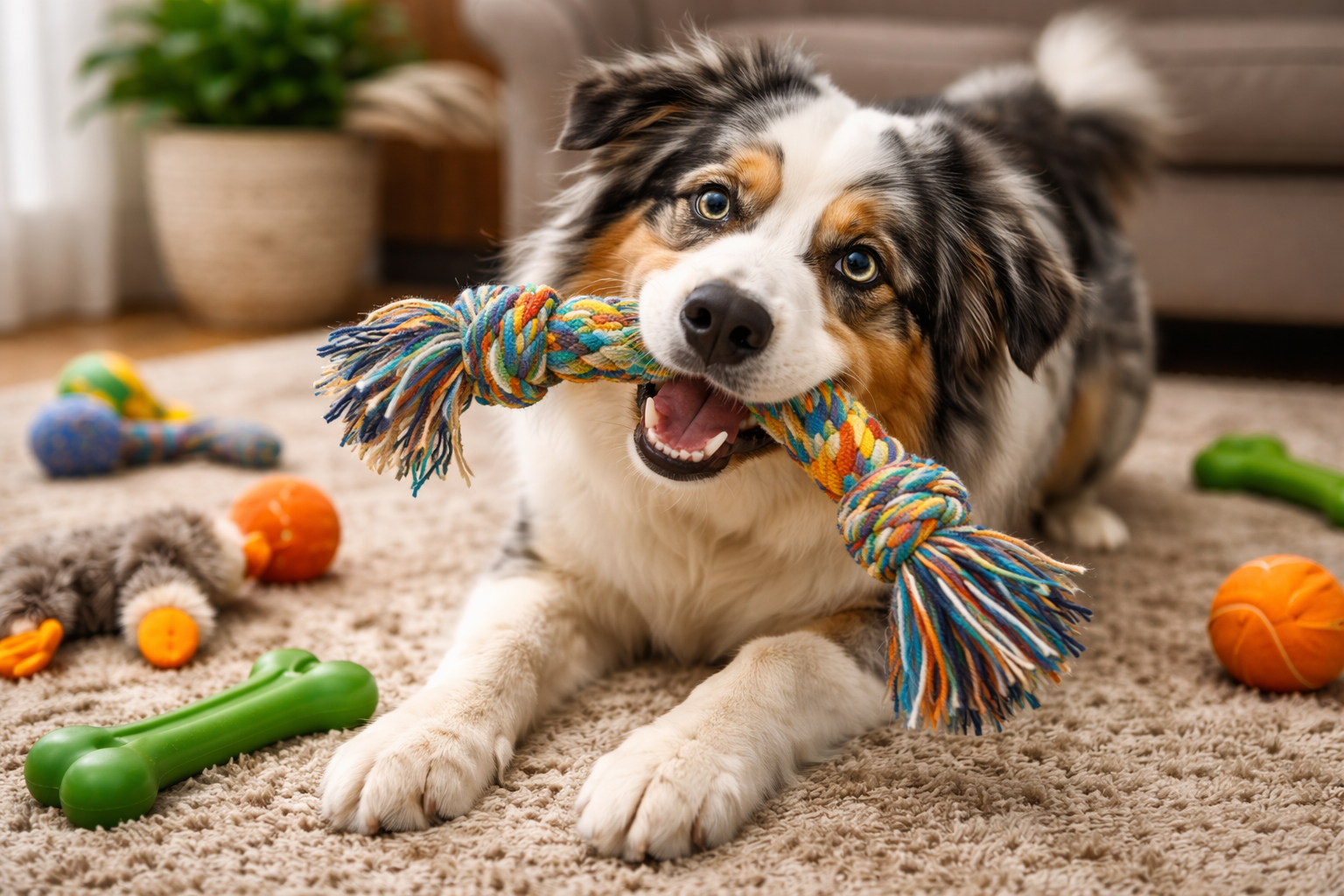
The Shocking Truth About Dirty Dog Toys
Beyond the Slobber: The Shocking Truth About Dirty Dog Toys (and How to Fix It)
Your dog's favorite plushie, the rope they love to tug, that squeaky rubber chicken—they're more than just playthings. They're breeding grounds for bacteria, mold, and all sorts of nasty things that could be making your canine companion (and even you!) sick. Think about it: those toys spend their days getting slobbered on, buried in the backyard, and dragged across who-knows-what. Ignoring the filth clinging to your dog's playthings is an invitation to health problems. Let’s dive into the surprising world of dirty dog toys and, more importantly, how to fix it!
Why Dirty Dog Toys Are a Problem: More Than Just Slobber
It’s easy to dismiss a little dirt or drool. But the consequences of neglecting dog toy hygiene can be serious.
Health Risks for Dogs and Humans
Dirty dog toys can harbor harmful bacteria like E. coli and Staphylococcus, leading to infections, digestive issues, and skin problems in dogs. Humans, especially children, are also at risk when handling contaminated toys. Think about it: you throw the toy, your dog slobbers on it, then your child picks it up. Cross-contamination is a real concern!
The Buildup of Bacteria, Mold, and Contaminants
Dog toys are constantly exposed to various environments, from your living room floor to the great outdoors. This constant exposure leads to the accumulation of dirt, saliva, food particles, and other organic matter, creating the perfect environment for bacteria and mold to thrive. The warm, moist environment inside a dog's mouth only exacerbates the problem.
The Crucial Role of Regular Cleaning
Regular cleaning isn't just about aesthetics—it's about protecting your dog's health and ensuring a safe environment for your family. By implementing a consistent cleaning routine, you can significantly reduce the risk of infections, allergies, and other health issues associated with dirty dog toys.
Identifying the Germ Hotspots: Types of Dog Toys and Their Cleaning Needs
Not all dog toys are created equal, and their cleaning requirements differ based on the materials they're made from.
Rope Toys: Taming the Fray and Fighting Moisture
Rope toys are notorious for fraying and absorbing moisture, making them a breeding ground for bacteria. To clean them effectively, soak them in a solution of warm water and mild detergent, then scrub them thoroughly to remove any trapped debris. Rinse well and allow them to air dry completely.
Plush Toys: A Gentle Approach to Washing and Drying
Plush toys require a delicate touch to prevent damage and mildew. Place them in a mesh laundry bag and wash them on a gentle cycle with a mild detergent. Tumble dry on low heat or air dry completely to prevent shrinking and mildew growth.
Rubber Toys: Disinfecting for Durability
Durable rubber toys can withstand more rigorous cleaning methods. Wash them with soap and water, or disinfect them by soaking them in a diluted bleach solution (one part bleach to ten parts water) for a few minutes. Rinse thoroughly and allow them to air dry.
Plastic Toys: Preventing Bacterial Growth
Plastic toys are relatively easy to clean. Wash them with soap and water, or run them through the dishwasher on the top rack. Ensure they are completely dry before giving them back to your dog to prevent bacterial growth.
The Ultimate Guide to Cleaning Dog Toys: Step-by-Step Methods
Here are detailed methods for keeping your dog's toys sparkling clean.
Dishwasher Method: The Easy Route
Many hard plastic and rubber toys are dishwasher-safe. Place them on the top rack to avoid melting and run a normal cycle with detergent. This is a super easy way to clean, it's effective, and keeps the toys out of sight while they wash.
Washing Machine Method: For Your Dog's Beloved Plushes
For plush toys, use a gentle cycle with cold water and a dog-friendly detergent. Place the toys in a mesh laundry bag to protect them. Consider adding a cup of white vinegar to the wash to help neutralize odors and kill bacteria.
Hand Washing Method: The Personal Touch
Fill a sink or tub with warm water and add a mild detergent. Submerge the toys and scrub them with a brush or sponge to remove dirt and grime. Pay extra attention to crevices and seams.
DIY Cleaning Solutions: Natural and Safe
For a natural cleaning solution, mix equal parts white vinegar and water in a spray bottle. Spray the toys and let them sit for a few minutes before wiping them clean. Baking soda can also be used to remove odors and stains.
Drying is Key: Preventing Mold and Mildew
Proper drying is just as important as washing to prevent mold and mildew growth.
Air Drying: The Natural Approach
Air drying is a simple and effective method for most toys. Place the toys on a clean towel or rack in a well-ventilated area. Turn them periodically to ensure they dry evenly.
Using a Dryer: Low and Slow
If using a dryer, select a low-heat setting to prevent damage to plush toys. Consider placing the toys in a mesh laundry bag to protect them from excessive heat and abrasion.
Sun Drying: Nature's Disinfectant
Sun drying is a great way to disinfect toys and remove odors. The sun's UV rays have natural antibacterial properties. However, avoid prolonged exposure to direct sunlight, as it can fade colors and damage some materials.
Beyond Cleaning: Maintenance and Prevention Tips
Extend the life of your dog's toys with these simple strategies.
Regular Inspection: Spotting Trouble Early
Inspect your dog's toys regularly for signs of wear and tear, such as rips, tears, or loose parts. Discard any damaged toys immediately to prevent your dog from swallowing small pieces.
Storage Solutions: Keeping Toys Clean Between Washes
Store your dog's toys in a clean, dry place, such as a toy basket or bin. This will help minimize contamination and keep them clean between washes.
Rotation Strategy: Less Wear, Fewer Germs
Rotate your dog's toys regularly to reduce wear and tear and prevent the buildup of bacteria. By offering a variety of toys, you can keep your dog entertained and extend the lifespan of each toy.
Choosing the Right Cleaning Products: Safety First
Selecting safe and effective cleaning products is crucial for protecting your dog's health.
Detergent: What's Safe for Your Pup?
When cleaning dog toys, opt for mild, fragrance-free detergents that are specifically formulated for pets or babies. Avoid detergents that contain harsh chemicals or dyes.
Non-Toxic Options: Eco-Friendly and Dog-Friendly
Look for non-toxic, eco-friendly cleaning products that are safe for your dog and the environment. Many brands offer plant-based detergents and cleaning solutions that are just as effective as traditional products.
Ingredients to Avoid: Know Your No-Nos
Avoid using cleaning products that contain bleach, ammonia, or other harsh chemicals. These ingredients can be harmful to your dog if ingested or inhaled.
When to Toss: Recognizing Unsalvageable Toys
Sometimes, it's time to say goodbye to a beloved toy.
Excessive Damage: Beyond Repair
If a toy is excessively damaged, with large rips, tears, or missing pieces, it's time to discard it. These toys pose a choking hazard and can also harbor bacteria and mold.
Persistent Odors: The Unpleasant Truth
If a toy retains unpleasant odors even after cleaning, it may be harboring bacteria or mold deep within its fibers. In this case, it's best to toss the toy and replace it with a new one.
Mold Growth: A Definite No-Go
If you spot any signs of mold growth on a toy, discard it immediately. Mold can cause respiratory problems and other health issues in dogs and humans.
Conclusion: A Clean Toy is a Happy Toy (and a Healthy Dog)
Maintaining clean dog toys is a critical aspect of responsible pet ownership. By following these cleaning tips, you can help protect your dog's health, extend the lifespan of their toys, and create a cleaner, safer environment for your entire family.
Take action today! Implement these cleaning tips in your dog's routine and share this article with other dog owners to spread the word about the importance of dog toy hygiene. Your furry friend will thank you for it!

Leave a comment