Your One-Stop Shop for Everyday Essentials & Unique Finds




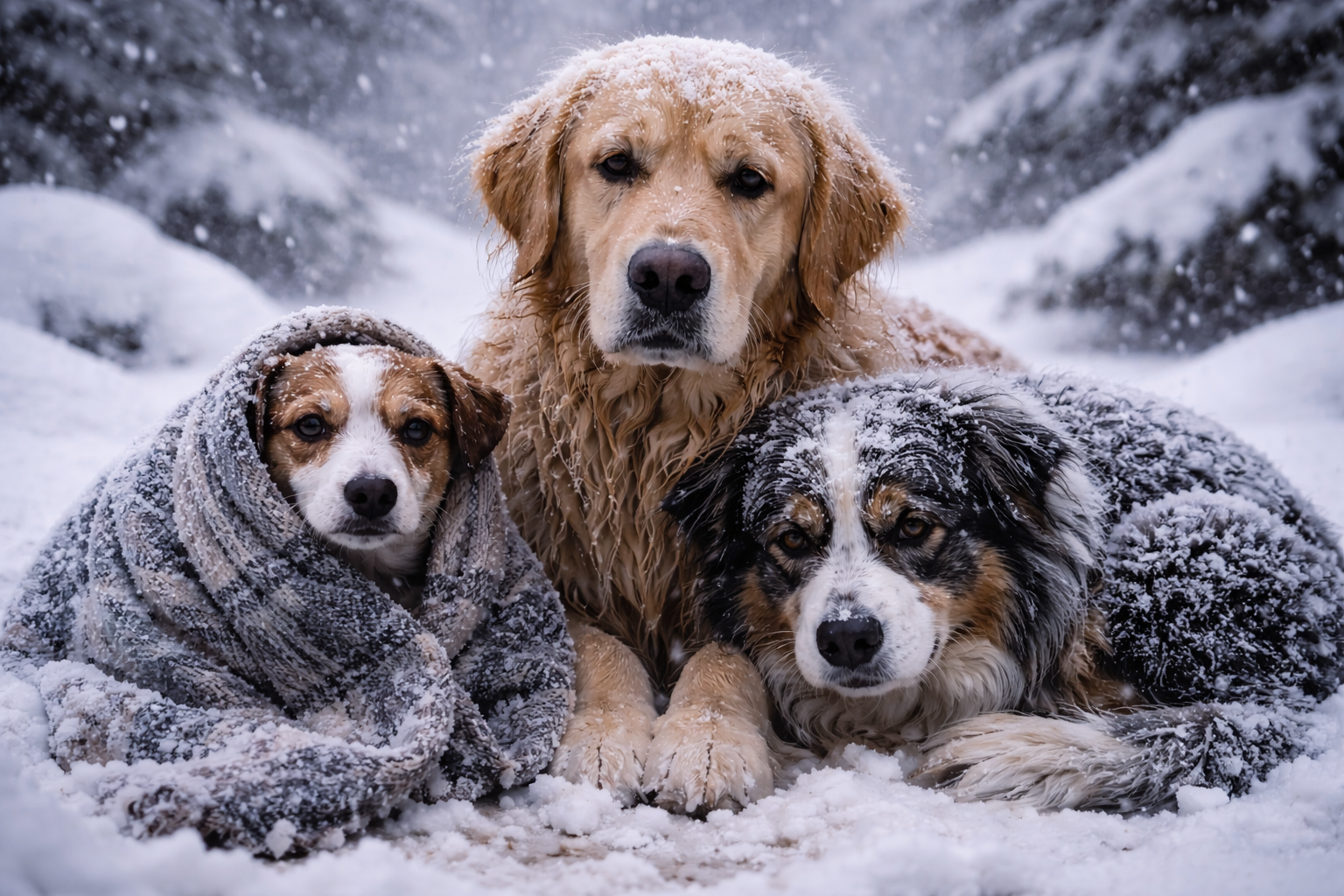
Is It Too Cold For My Dog?
Is It Too Cold For My Dog? The Ultimate Temperature Guide
As winter's chill descends, a question looms large in the minds of conscientious dog owners: Is it too cold for my pet? The answer, as with most things dog-related, isn't a simple yes or no. It's a nuanced understanding of your dog's individual characteristics, the ambient temperature, and a healthy dose of common sense. This comprehensive guide will equip you with the knowledge to ensure your dog's cold weather safety, allowing you both to enjoy the winter months comfortably and securely.
Understanding Dog Cold Tolerance: Factors Affecting a Dog's Sensitivity to Cold
Not all dogs are created equal when it comes to handling cold temperatures. Several factors influence a dog's ability to withstand the winter chill. These include breed, size, coat type, age, and overall health. Understanding these factors is the first step in assessing your dog's individual cold tolerance.
Breed Matters: How Breed and Coat Type Influence Cold Weather Tolerance
Certain breeds, like Huskies and Malamutes, are genetically predisposed to thrive in cold climates. Their thick double coats provide excellent insulation. Conversely, breeds with short coats like Greyhounds or those bred for warmer climates like Chihuahuas, are far more susceptible to the cold.
Consider your dog's coat type. A thick, double-layered coat traps air and provides superior warmth compared to a short, single-layered coat. Regular grooming is crucial to maintain the insulating properties of the coat by removing mats and tangles.
Size and Body Fat: The Role of Size and Body Fat in Keeping Dogs Warm
Larger dogs generally retain heat better than smaller dogs due to their greater body mass. Body fat also acts as an insulator. A healthy layer of fat can help a dog stay warm, but it's important to maintain a healthy weight. Emaciated dogs are much more vulnerable to the cold.
Age and Health: How Age and Pre-existing Conditions Affect Cold Tolerance
Puppies and senior dogs are less tolerant of cold weather. Puppies haven't fully developed the ability to regulate their body temperature, and older dogs may have weakened immune systems or health conditions that make them more susceptible to the cold. Dogs with pre-existing conditions like arthritis or heart disease may also experience exacerbated symptoms in cold weather.
Temperature Thresholds: At What Temperature is it Too Cold for Dogs?
While there's no magic number, a general guideline is that temperatures below 20°F (-6.7°C) pose a significant risk of hypothermia and frostbite for most dogs, regardless of breed. When temperatures drop below 32°F (0°C), small, short-haired, or vulnerable dogs should be monitored closely and provided with extra protection like a coat.
Consider the wind chill factor, which can dramatically lower the effective temperature. A breezy 35°F can feel much colder to your dog than a still 35°F.
Recognizing Signs of Hypothermia: Identifying the Symptoms of Cold Exposure in Dogs
Hypothermia occurs when a dog's body temperature drops dangerously low. Early signs include shivering, trembling, and seeking warm places. As hypothermia progresses, symptoms may include lethargy, weakness, stiff muscles, shallow breathing, and confusion. In severe cases, hypothermia can be fatal. If you suspect your dog has hypothermia, seek immediate veterinary attention.
Cold Weather Gear: Choosing the Right Winter Apparel for Your Dog
For dogs sensitive to the cold, a well-fitting coat can provide significant protection. Look for a coat that covers the chest, abdomen, and back. Waterproof or water-resistant materials are ideal for snowy or rainy conditions. Sweaters can provide an extra layer of warmth, but they're not suitable for wet weather.
Indoor Safety: Keeping Your Dog Safe and Warm Indoors During Winter
Even indoors, it's important to ensure your dog is warm and comfortable. Provide a cozy bed in a draft-free area. If your dog is prone to seeking out warm spots, consider a heated bed or blanket. Avoid placing your dog's bed near cold windows or doors.
Winter Paw Care: Protecting Your Dog's Paws from Ice, Salt, and Snow
Ice, snow, and salt can irritate and damage your dog's paws. Consider using dog booties to protect their paws from the elements. If booties aren't an option, apply a paw balm specifically designed for dogs to create a protective barrier. After walks, wash your dog's paws with warm water to remove any salt or debris.
Nutrition and Hydration: Adjusting Your Dog's Diet and Water Intake in Winter
Dogs may require slightly more calories in the winter to maintain their body temperature. Consult with your veterinarian to determine if you need to adjust your dog's diet. Ensure your dog has access to fresh, unfrozen water at all times. Consider using a heated water bowl to prevent it from freezing outdoors.
Safe Winter Activities: Enjoyable and Safe Outdoor Activities for Dogs in Cold Weather
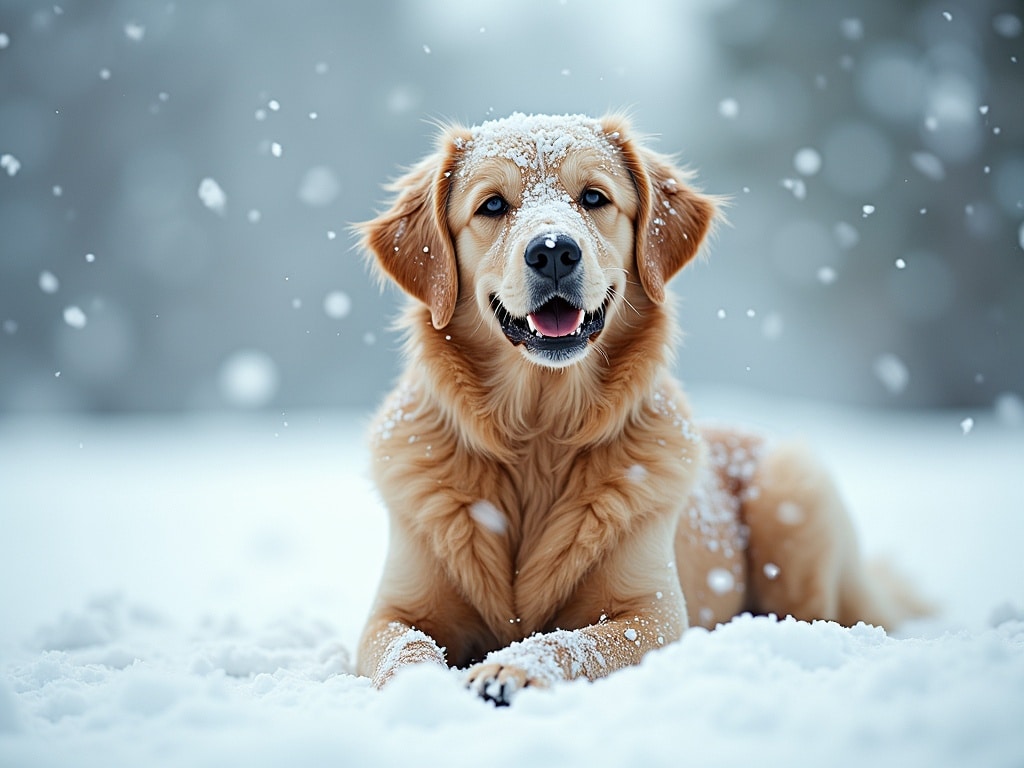
Just because it's cold doesn't mean you and your dog can't enjoy the outdoors. Short walks, playing fetch in the snow (if your dog tolerates it), and indoor play sessions are all great options. Be mindful of the temperature and your dog's individual limitations. Avoid prolonged exposure to extreme cold.
Addressing Common Myths: Debunking Misconceptions About Dogs and Cold Weather
One common myth is that all dogs are naturally equipped to handle cold weather. As we've discussed, this isn't true. Another myth is that a dog's fur coat is all the protection they need. While fur provides insulation, it's not sufficient in extreme cold. Rely on facts and observations of your own dog's behavior rather than generalizations.
Emergency Preparedness: Being Prepared for Extreme Cold Weather Events
In the event of a power outage or other extreme cold weather event, have a plan in place to keep your dog safe and warm. This may include having extra blankets, a portable heater, and a backup water source. Consider bringing your dog to a pet-friendly hotel or emergency shelter if necessary.
Consulting with Your Veterinarian: When to Seek Professional Advice About Cold Weather Safety
If you have any concerns about your dog's cold weather tolerance or safety, consult with your veterinarian. They can provide personalized recommendations based on your dog's individual needs and health status. They can also advise on appropriate winter clothing and dietary adjustments.
Dog Cold Weather Safety: Comprehensive Checklist
- Know your dog's breed, size, age, and health limitations.
- Monitor the temperature and wind chill.
- Provide appropriate winter clothing when necessary.
- Protect paws from ice, salt, and snow.
- Adjust diet and water intake as needed.
- Limit outdoor exposure during extreme cold.
- Recognize the signs of hypothermia.
- Provide a warm and comfortable indoor environment.
- Have an emergency plan in place.
- Consult with your veterinarian if you have any concerns.
By understanding your dog's individual needs and taking proactive steps to protect them from the cold, you can ensure a safe and enjoyable winter season for both of you. Remember, a little extra care and attention can make all the difference in keeping your furry friend happy and healthy throughout the winter months.

Leave a comment