Your One-Stop Shop for Everyday Essentials & Unique Finds





The Silent Killers in Your Kitchen: Foods Dogs Can't Eat
The Silent Killers in Your Kitchen: Foods Dogs Can't Eat (and Why!)
As loving dog owners, we want to share our lives, and sometimes our food, with our furry companions. However, our kitchens can be a minefield of hidden dangers for our canine friends. Many common foods that are perfectly safe for humans can be extremely toxic to dogs, leading to serious health issues or even death. This article will explore the foods dogs can't eat, why they're harmful, and how to protect your beloved pet from these silent killers.
Chocolate: A Sweet Treat That's Deadly for Dogs
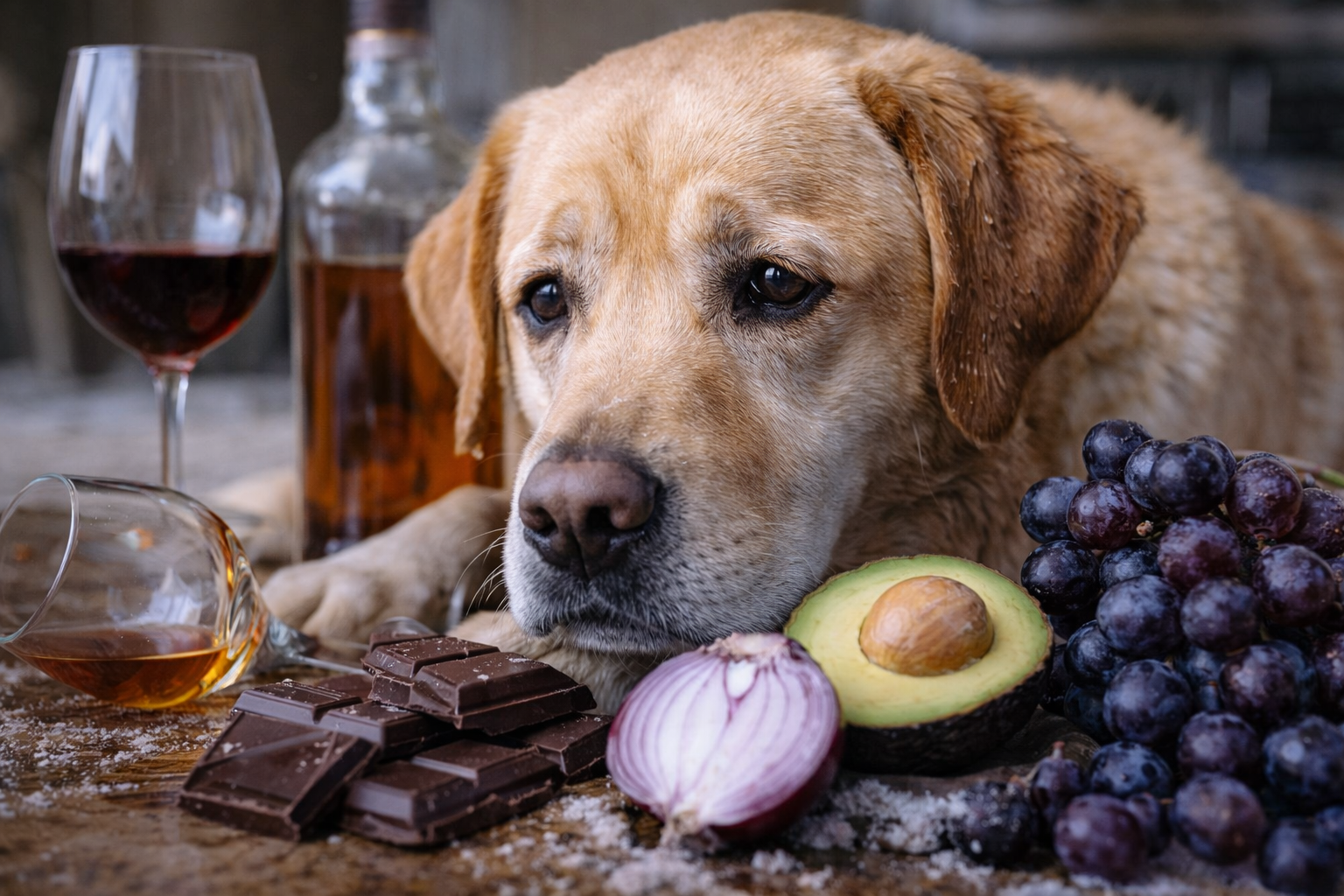
Chocolate is one of the most well-known foods dogs can't eat. The danger lies in theobromine and caffeine, stimulants that dogs can't metabolize as efficiently as humans. The darker the chocolate, the higher the concentration of these toxic compounds. Baker's chocolate and dark chocolate pose the greatest threat, while milk chocolate and white chocolate are less dangerous but still harmful.
Symptoms of chocolate poisoning in dogs include vomiting, diarrhea, hyperactivity, increased heart rate, tremors, seizures, and potentially death. If you suspect your dog has ingested chocolate, seek immediate veterinary care.
Onions and Garlic: A Culinary Staple That's Toxic to Canines
Onions and garlic, in all forms (raw, cooked, powdered, or dehydrated), are foods dogs can't eat because they contain compounds that damage red blood cells, leading to anemia. The toxic effects are cumulative, meaning that even small amounts consumed regularly can cause significant harm.
Garlic is generally considered more toxic than onions. Even onion and garlic powders found in many seasonings can be dangerous. Be vigilant about checking ingredient labels.
Symptoms of onion and garlic toxicity include weakness, lethargy, pale gums, decreased appetite, and vomiting. Veterinary intervention is crucial to manage anemia and prevent further damage.
Grapes and Raisins: A Mysterious Threat
The exact reason why grapes and raisins are toxic to dogs remains a mystery, but they are undeniably foods dogs can't eat. Even small amounts can cause acute kidney failure in some dogs.
The toxic dose varies between dogs, meaning there's no safe amount. Some dogs are severely affected by just a few grapes, while others might tolerate a larger quantity with less severe symptoms. It's best to avoid feeding your dog any grapes or raisins altogether.
Signs of grape/raisin toxicity include vomiting, diarrhea, lethargy, decreased appetite, abdominal pain, and ultimately, kidney failure. Immediate veterinary treatment is essential to try and reverse the effects.
Xylitol: A Sugar Substitute with Deadly Consequences
Xylitol is an artificial sweetener commonly found in sugar-free gum, candy, baked goods, toothpaste, and even some peanut butters. It's one of the most dangerous foods dogs can't eat because it causes a rapid release of insulin, leading to a dangerous drop in blood sugar (hypoglycemia). In high doses, it can also cause liver failure.
Symptoms of xylitol poisoning include weakness, staggering, seizures, vomiting, and ultimately, liver failure and death. Because of the speed and severity of its effects, immediate veterinary care is absolutely vital.
Alcohol: Never Give a Dog a Drop
Alcohol is highly toxic to dogs. Their smaller size and different metabolism mean they're far more susceptible to its effects than humans. Alcohol is a definite food dogs can't eat, or rather, drink.
Even a small amount of alcohol can cause significant damage to a dog's liver and brain. Symptoms of alcohol poisoning include incoordination, vomiting, diarrhea, tremors, difficulty breathing, coma, and death.
Avocado: A Moderately Risky Food
Avocados contain persin, a fungicidal toxin that can cause vomiting and diarrhea in dogs. While the amount of persin in commercially grown avocados is generally low, it's still considered one of the foods dogs can't eat without risking gastrointestinal upset.
The pit is also a choking hazard and can cause intestinal blockages if swallowed. The skin can also cause mild irritation. It’s best avoided, especially since there are much better treat options.
Macadamia Nuts: A Peculiar Poison
The exact toxin in macadamia nuts is unknown, but they are definitely foods dogs can't eat. Even a small handful can cause weakness, tremors, and hyperthermia (increased body temperature) in dogs.
Symptoms of macadamia nut poisoning typically appear within 12 hours of ingestion and can last for up to 48 hours. While rarely fatal, the symptoms are unpleasant and warrant a trip to the vet.
Cooked Bones: A Choking and Puncturing Hazard
While it might seem natural to give a dog a bone, cooked bones are brittle and can splinter easily. These splinters can cause choking, lacerations to the mouth and digestive tract, and intestinal blockages. Therefore, cooked bones are undeniably foods dogs can't eat.
Raw bones are generally safer, but should still be given under supervision and in appropriate sizes to prevent choking.
Raw Dough: A Rising Danger
Raw dough containing yeast is dangerous because it can expand in the dog's stomach, causing severe discomfort and potentially life-threatening gastric dilatation-volvulus (GDV), also known as bloat. Furthermore, the yeast produces alcohol as it ferments, leading to alcohol poisoning. As a result, raw dough makes the list of foods dogs can't eat.
Milk and Dairy: A Source of Digestive Upset
Many adult dogs are lactose intolerant, meaning they have difficulty digesting lactose, the sugar found in milk and dairy products. While not strictly toxic, dairy products are often foods dogs can't eat comfortably.
Symptoms of lactose intolerance include gas, bloating, diarrhea, and vomiting. Small amounts of plain yogurt or cheese may be tolerated by some dogs, but it's best to avoid dairy products altogether.
Salty Snacks: A Risk of Sodium Ion Poisoning
Excessive salt intake can lead to sodium ion poisoning in dogs. Potato chips, pretzels, and other salty snacks are foods dogs can't eat in large quantities.
Symptoms of sodium ion poisoning include vomiting, diarrhea, tremors, seizures, and even death. Always provide your dog with fresh water and avoid giving them salty treats.
Identifying Poisoning Symptoms: When to Seek Help
Common symptoms of food poisoning in dogs include:
- Vomiting
- Diarrhea
- Lethargy
- Loss of appetite
- Abdominal pain
- Tremors
- Seizures
- Excessive drooling
- Difficulty breathing
If you suspect your dog has ingested a toxic substance, seek veterinary care immediately. Time is of the essence in treating poisoning cases.
Prevention Tips: Protecting Your Pup
Here are some tips to keep toxic foods away from your dog:
- Store all potentially toxic foods out of reach.
- Keep countertops and tables clear of food.
- Secure trash cans.
- Be mindful of what guests might accidentally drop or offer your dog.
- Read food labels carefully to check for xylitol and other harmful ingredients.
- If you suspect your dog has eaten something toxic, contact your veterinarian or the ASPCA Animal Poison Control Center immediately.
Safe Alternatives: Healthy Treats for Your Furry Friend
Many human foods are safe and healthy for dogs in moderation. These include:
- Cooked lean meats (chicken, turkey, beef)
- Certain fruits and vegetables (carrots, apples, blueberries, bananas, pumpkin)
- Plain cooked rice
- Peanut butter (xylitol-free)
Always introduce new foods gradually and in small amounts to avoid digestive upset. There are also many commercially available dog treats that are a safe and healthy option.
Conclusion: Vigilance is Key
Protecting your dog from toxic foods requires vigilance and knowledge. By understanding which foods dogs can't eat and taking preventative measures, you can ensure your furry friend lives a long, healthy, and happy life. Always consult with your veterinarian for personalized advice on your dog's diet and health needs.


Leave a comment