Your One-Stop Shop for Everyday Essentials & Unique Finds









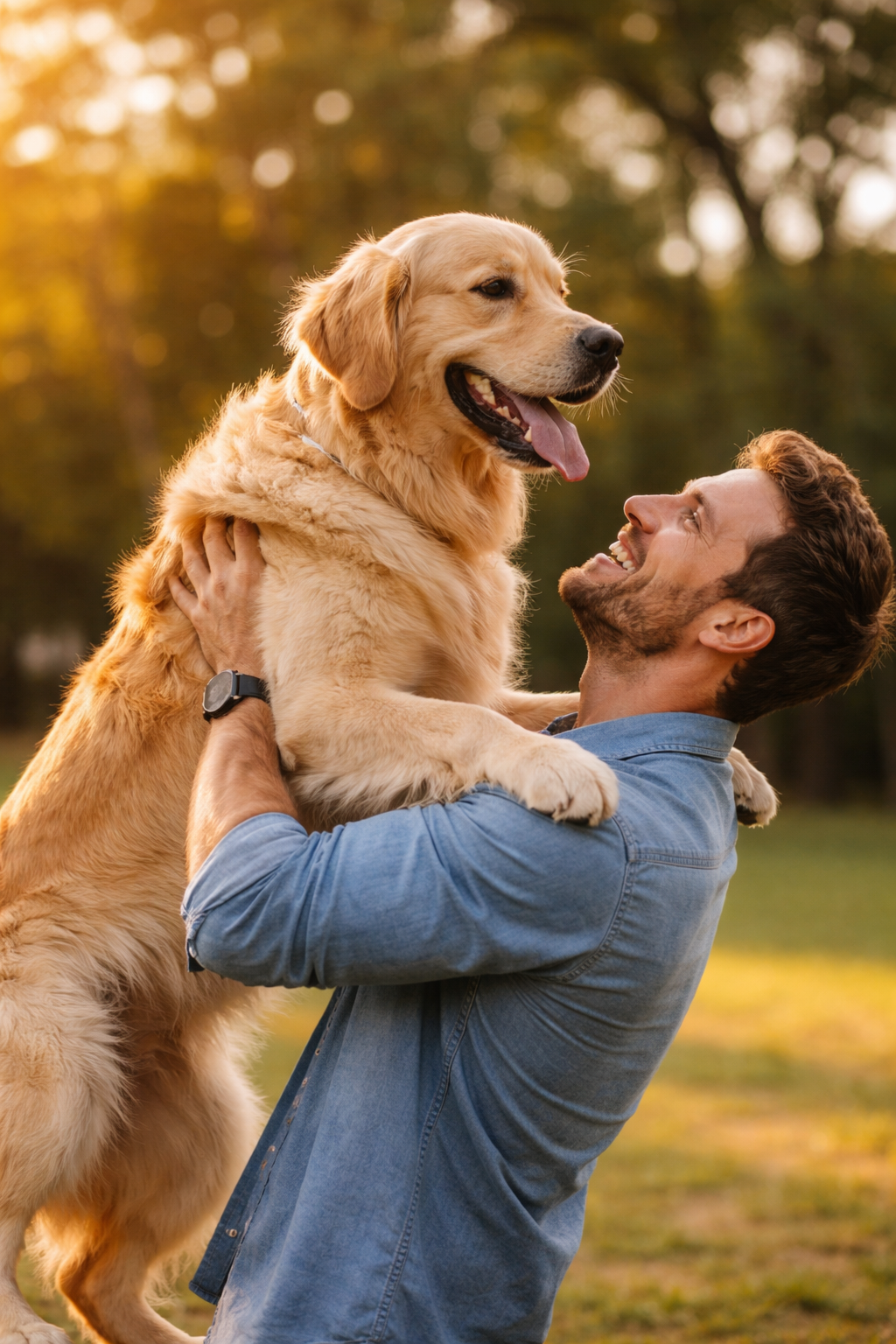
Carry Your Canine Companion Like a Pro
Carry Your Canine Companion Like a Pro: A Guide to Safe and Comfortable Dog Lifting
Ever watched someone awkwardly hoist their dog, a look of mild panic on both their faces, and wondered if there was a better way? Lifting your dog is a common task, whether it's helping a small pup into the car or assisting a senior dog up the stairs. But doing it wrong can lead to discomfort, injury, or a whole lot of stress for both you and your furry friend. That's where mastering proper dog lifting techniques comes in. This guide will walk you through everything you need to know to safely and comfortably lift your dog, no matter their size, age, or specific needs.
Types of Dog Lifting Techniques: Finding the Right Fit
Just like there's no one-size-fits-all dog bed, there's no single perfect way to lift every dog. The technique you use will depend on several factors, including your dog's size, weight, and any existing health conditions. Here are a few common methods:
- The Scoop (for small dogs): One arm under the chest, the other supporting the rear.
- The Cradle (for small to medium dogs): Hugging the dog against your chest for security.
- The Two-Person Lift (for large dogs): One person supporting the front, the other the rear.
- The Horizontal Hold (for injured dogs): Keeping the spine straight and well supported.
We’ll delve into each technique more specifically, but understanding these basic approaches will set the stage for safe and effective lifting.
The Importance of Proper Posture: Protect Yourself and Your Pup
Before you even think about touching your dog, consider your own posture. A straight back, bent knees, and a core engaged like you're bracing for a playful nuzzle are key. Lifting with your back is a recipe for pain, and it can also destabilize your dog, making them feel insecure. Maintain a wide stance for better balance and keep your dog close to your body to minimize strain. Think of it as a deadlift, but with a much fluffier weight!
Assessing Your Dog’s Needs: Tailoring the Lift
Is your dog a spry young pup, a sturdy adult, a delicate senior, or recovering from an injury? This is crucial intel. Puppies need gentle support, seniors might require extra cushioning, and injured dogs demand extreme care to avoid exacerbating their condition. Consider these factors:
- Age: Puppies are fragile, seniors may have arthritis.
- Breed: Long-bodied breeds like Dachshunds need extra spinal support, while brachycephalic breeds (Pugs, Bulldogs) can have breathing difficulties.
- Health Conditions: Arthritis, hip dysplasia, recent surgery – all require modified lifting techniques.
- Weight: Be honest with yourself! If your dog is too heavy, enlist help or use assistive devices.
Step-by-Step Guide to Basic Dog Lifting: One Size Doesn't Fit All
Here's how to safely lift dogs of different sizes:
Lifting a Small Dog
- Approach calmly: Speak in a soothing voice.
- Scoop Method: Place one hand under their chest, behind the front legs. Place the other hand under their rear, supporting their hind legs.
- Lift smoothly: Keep your back straight and lift with your legs.
- Hold securely: Bring them close to your chest for support.
Lifting a Medium Dog
- Position yourself: Stand facing your dog.
- Cradle Method: Reach one arm under their chest, and the other around their rear.
- Lift and hug: Gently lift, bringing them close to your chest. Ensure their weight is evenly distributed.
- Maintain balance: Keep a firm grip and a stable stance.
Lifting a Large Dog
This is usually a two-person job.
- Teamwork: One person positions at the front, the other at the rear.
- Coordinate grips: The front person supports the chest and front legs; the rear person supports the abdomen and hind legs.
- Lift together: On a count of three, lift smoothly and synchronously.
- Communicate: Ensure the dog feels secure and supported throughout the lift.
Lifting for Specific Dog Breeds: Special Considerations
Certain breeds require extra attention due to their unique physical characteristics:
- Brachycephalic Breeds (Pugs, Bulldogs): These dogs can have breathing difficulties. Avoid putting pressure on their chest and ensure their airway is clear.
- Long-Bodied Breeds (Dachshunds, Corgis): Provide extra support to their spine to prevent injury. Keep their back straight during the lift.
Assisting Dogs with Mobility Issues: Gentle Support is Key
For dogs with arthritis or other joint problems, gentleness is paramount. Consider using a support harness or sling to distribute their weight evenly. Avoid jerking movements and always move slowly and deliberately. Short, frequent lifts are better than long, strenuous ones.
Recognizing Signs of Discomfort in Your Dog: Listen to Your Furry Friend
Your dog's body language is your best guide. Watch for these signs of discomfort:
- Whining or yelping: Obvious signs of pain.
- Stiffening or trembling: Indicates discomfort or fear.
- Lip licking or yawning (when not tired): Signs of stress.
- Trying to wriggle free: They don't feel secure.
If you notice any of these signs, stop immediately and reassess your technique.
Tools and Accessories for Dog Lifting: A Helping Hand (or Harness)
Several tools can make dog lifting easier and safer:
- Dog Carriers: Great for small dogs, especially in public places.
- Slings: Provide hands-free support for small to medium dogs.
- Support Harnesses: Offer additional support for dogs with mobility issues. These often have handles for easier lifting.
- Ramps and Stairs: Can help dogs avoid the need for lifting altogether.
Building Trust and Comfort: Acclimation is Key
Don't just spring a lift on your dog out of nowhere. Acclimate them to the process gradually. Start by simply touching them in the areas where you'll be lifting. Offer treats and praise to create positive associations. Practice lifting them for short periods, gradually increasing the duration as they become more comfortable. Patience is key!
Common Mistakes to Avoid: Learning from Others' Errors
Avoid these common pitfalls:
- Lifting with your back: Bend your knees, keep your back straight.
- Jerking movements: Lift smoothly and deliberately.
- Not supporting the dog properly: Ensure their weight is evenly distributed.
- Ignoring your dog's signals: Pay attention to their body language.
- Trying to lift too much weight: Enlist help or use assistive devices.
Seeking Professional Advice: When to Consult an Expert
If you're unsure about the best way to lift your dog, or if your dog has a pre-existing health condition, consult your veterinarian or a certified dog trainer. They can provide personalized advice and guidance.
Dog Lifting Techniques for Puppies: Gentle is the Name of the Game
Puppies are delicate and their bones are still developing. Always use gentle and supportive techniques when lifting a puppy. Support their entire body and avoid putting pressure on their joints. Never lift a puppy by its front legs or neck.
Dog Lifting Techniques for Senior Dogs: Extra Care and Cushioning
Senior dogs often have arthritis or other joint problems. Provide extra cushioning and support when lifting them. Use a support harness or sling to distribute their weight evenly. Avoid sudden movements and always move slowly and deliberately.
Dog Lifting Techniques for Injured Dogs: Preventing Further Harm
If your dog is injured, extreme care is needed. Consult your veterinarian for specific instructions. Keep their spine straight and well-supported. Avoid any movements that could exacerbate their injury. Consider using a rigid support board or stretcher to transport them.
Emergency Dog Lifting Strategies: Acting Quickly and Safely
In emergency situations, such as after an accident, prioritize safety. Assess the dog's injuries and avoid moving them unnecessarily. If you must move them, keep their spine as straight as possible and support their entire body. Enlist help if possible.
Mastering dog lifting techniques is more than just a practical skill; it's an act of love and responsibility. By understanding your dog's individual needs, practicing proper posture, and using the right tools, you can ensure that every lift is a safe, comfortable, and stress-free experience for both you and your beloved canine companion. So, bend those knees, straighten that back, and lift with confidence, knowing you're doing what's best for your furry friend.



Leave a comment