Your One-Stop Shop for Everyday Essentials & Unique Finds









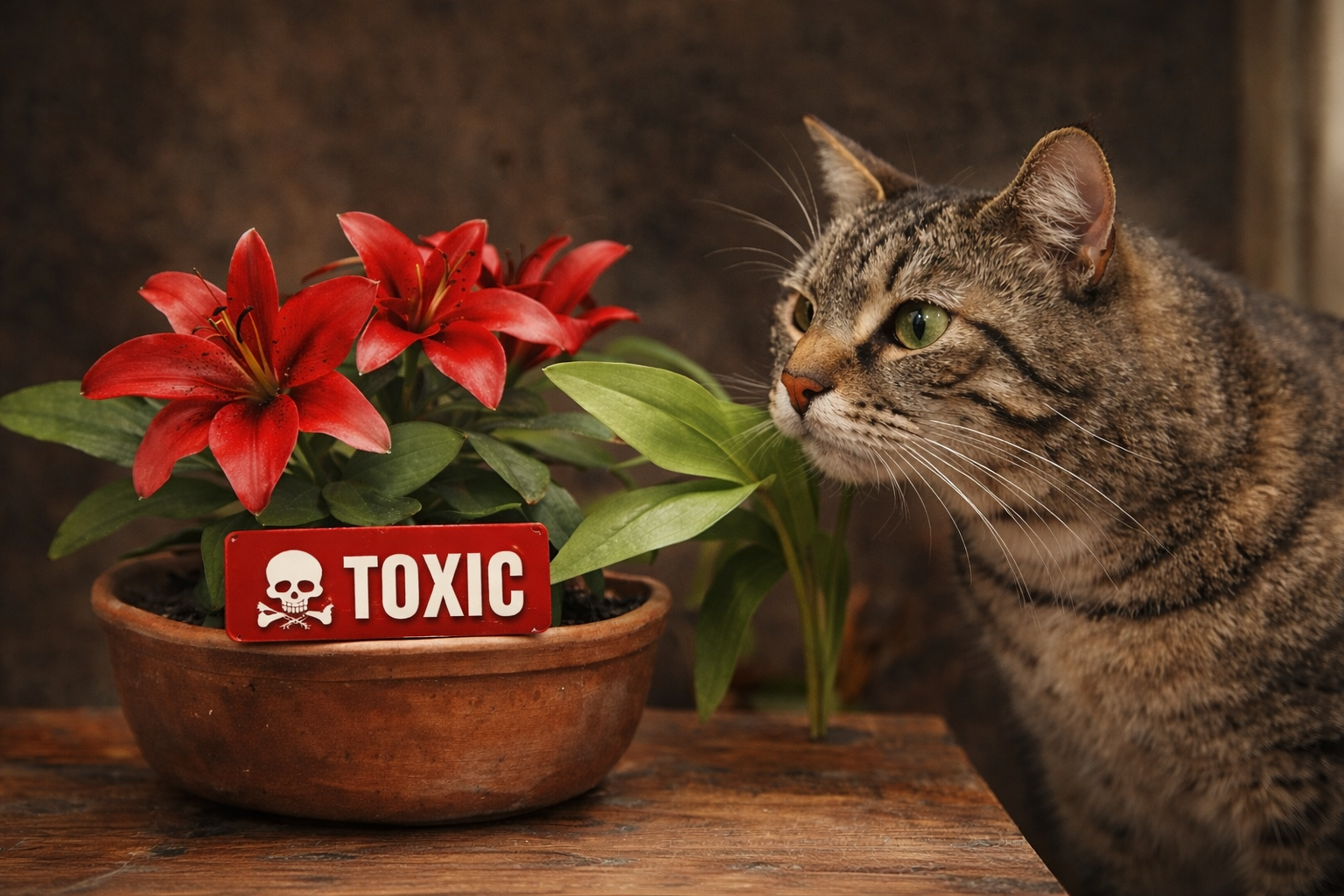
Is Your Home Poisoning Your Cat? Hidden Toxic Plants Inside
Is Your Home a Danger Zone? Identifying Toxic Plants & Choosing Cat-Safe Alternatives
Introduction: The Hidden Dangers to Your Feline Friend
Imagine your cozy home – sunlight streaming through the windows, a gentle breeze, and lush greenery adorning every corner. Now, picture your beloved cat, playfully batting at leaves, nibbling on stems, and exploring their verdant kingdom. But what if that innocent-looking houseplant is a silent threat, a potential source of discomfort, or even danger, for your furry companion? Many popular houseplants can be toxic to cats, turning your haven into a hazard zone. It is crucial for cat owners to identify these dangers and curate a living space that is safe for their feline friends. So how can you spot danger? What non toxic plants for cats can you choose to keep your cat safe?
Why Are Cats Susceptible to Plant Poisoning?
Cats are naturally curious creatures, and their playful nature often leads them to explore their surroundings with their mouths. Unlike dogs or humans, cats have a unique metabolic system that makes them more sensitive to certain toxins found in plants. Their livers lack specific enzymes needed to break down these harmful substances, making them more vulnerable to plant poisoning. Additionally, cats are meticulous groomers, so even if they only nibble on a plant, they can ingest toxins while cleaning their fur.
Common Toxic Plants for Cats: Identification Guide
Knowing which plants pose a threat is the first step in creating a safe environment for your cat. Some of the most common toxic plants include:
- Lilies: These beautiful flowers are extremely dangerous to cats, and even ingesting a small amount of pollen or water from the vase can lead to kidney failure. All species of lilies are toxic.
- Azaleas and Rhododendrons: These flowering shrubs contain toxins that can cause vomiting, diarrhea, weakness, and even cardiovascular collapse.
- Sago Palm: All parts including the seeds of this plant are highly toxic, leading to liver failure and neurological damage.
- Oleander: Contact with this plant can cause severe irritation, and ingestion can lead to heart problems, muscle tremors, and seizures.
- Daffodils: Especially the bulbs, contain toxins that can cause vomiting, diarrhea, and abdominal pain.
- Tulips and Hyacinths: Similar to daffodils, the bulbs are the most toxic part, causing irritation and gastrointestinal issues.
This list isn't exhaustive, so always research before bringing a new plant into your home. The ASPCA website has a comprehensive list of toxic and non-toxic plants.
What Are the Symptoms of Plant Poisoning in Cats?
Recognizing the signs of plant poisoning is crucial for prompt treatment. Symptoms can vary depending on the plant ingested and the amount consumed but may include:
- Vomiting
- Diarrhea
- Excessive drooling
- Loss of appetite
- Lethargy or weakness
- Difficulty breathing
- Seizures
- Skin irritation or swelling
If you suspect your cat has ingested a toxic plant, it’s vital to act quickly.
First Aid for Plant Poisoning: What to Do Immediately
If you suspect your cat has ingested a toxic plant, take these steps immediately:
- Identify the plant: Knowing the name of the plant helps the vet determine the appropriate treatment. If possible, take a sample of the plant with you to the vet.
- Contact your veterinarian or an emergency animal hospital: Time is of the essence! Call them immediately and follow their instructions.
- Call a poison control hotline: The ASPCA Animal Poison Control Center (APCC) is a great resource, though they may charge a consultation fee.
- Do NOT induce vomiting unless instructed by a vet: Some toxins can cause more damage coming back up.
- Collect a sample of the vomit: This can help your veterinarian determine the toxin ingested.
Creating a Cat-Safe Indoor Garden
You don't have to sacrifice greenery for your cat's safety. Creating a cat-safe indoor garden is possible with careful planning and plant selection. Start by identifying areas your cat can easily access and remove any toxic plants from those spaces. Consider using hanging planters or shelves to keep plants out of reach. You can also create barriers using decorative screens or furniture to restrict access to certain areas.
Non-Toxic Plant Alternatives: Beautifying Your Home Safely
Luckily, many beautiful and interesting plants are safe for cats. The key is to choose wisely and create an environment where your cat can coexist peacefully with your greenery. Consider these non toxic plants for cats:
- Spider Plant (Chlorophytum comosum): Easy to care for and known for its air-purifying qualities, the spider plant is a popular choice.
- Prayer Plant (Maranta leuconeura): With its vibrant leaves that fold up at night, this plant adds beauty and interest to any room.
- African Violet (Saintpaulia ionantha): These colorful and easy-to-grow plants offer a bright alternative to toxic flowering plants.
- Cast Iron Plant (Aspidistra elatior): As its name suggests, this plant is incredibly hardy and can tolerate a wide range of conditions, perfect for beginner plant parents.
- Peperomia (Peperomia spp.): With many varieties of peperomia, this is a family full of safe plants
- Areca Palm (Dypsis lutescens): A lush and tolerant palm that can add height to a room.
Common Cat-Safe Plants: A Detailed List with Photos
Below is a more comprehensive list of cat-safe plants. Doing your research cannot emphasized enough.
- Spider Plant (Chlorophytum comosum): Features long, arching leaves and produces spiderettes that dangle down, making it an engaging plant for cats.
- Prayer Plant (Maranta leuconeura): Known for its leaves that fold up at night, resembling praying hands.
- African Violet (Saintpaulia ionantha): Offers colorful blooms in shades of purple, pink, and white, adding a pop of color to your home.
- Cast Iron Plant (Aspidistra elatior): Extremely durable and can tolerate neglect, making it perfect for busy cat owners.
- Peperomia (Peperomia spp.): Comes in various shapes, sizes, and textures, offering plenty of choices to suit your style.
- Areca Palm (Dypsis lutescens): Adds a tropical vibe to your home and purifies the air.
- Boston Fern (Nephrolepis exaltata): A classic fern with feathery fronds that create a lush and inviting atmosphere.
- Swedish Ivy (Plectranthus verticillatus): Easy to propagate and features trailing vines that look great in hanging baskets or on shelves.
- Orchid (Phalaenopsis spp.): Elegant and long-lasting blooms make orchids a sophisticated and cat-safe choice.
- Calathea (Calathea spp.): Known for their striking leaf patterns and vibrant colors, these plants add a touch of the exotic to any indoor space.
How to Introduce New Plants to Your Cat
Even with non toxic plants for cats, it's essential to introduce them gradually. Start by placing the new plant in an area your cat doesn't frequent. Observe your cat's reaction. If they show interest, redirect their attention with a toy or a treat. You can also spray the plant with a cat deterrent spray. Continue monitoring to ensure your cat doesn't develop a habit of chewing on the plant.
Landscaping Safely: Outdoor Considerations
Creating a cat-safe garden extends beyond your indoor space. Many outdoor plants are toxic to cats, so it's crucial to choose your landscaping carefully. Avoid planting toxic shrubs like azaleas, rhododendrons, oleander, and lilies. Opt for cat-friendly alternatives such as catnip, catmint, valerian and grasses. These plants not only safe for cats but attract them, providing them with a stimulating and enriching outdoor experience.
Resources: Poison Control and ASPCA Plant Database
Knowing where to find reliable information is essential for any pet owner. Here are some valuable resources:
- ASPCA Animal Poison Control Center (APCC): A 24/7 hotline that provides expert advice on pet poisoning.
- ASPCA Toxic and Non-Toxic Plant List: A comprehensive database of plants that are safe and toxic to pets.
- Your Veterinarian: A trusted source of information and guidance regarding your pet's health.
Prevention is Key: Educating Yourself and Others
The best way to protect your cat from plant poisoning is through education and prevention. Learn to identify toxic plants and avoid bringing them into your home. Share your knowledge with friends, family, and other cat owners to raise awareness and create a safer community for our feline companions.
Are There Specific Plant Parts That Are More Toxic?
Yes, certain parts of a plant can be more toxic than others. For example, the bulbs of tulips, daffodils, and hyacinths are particularly toxic, while the leaves and stems may be less so. Similarly, lily pollen and water from a lily vase is extremely toxic. Always research the specific plant to understand which parts pose the greatest risk.
How to Discourage Cats from Chewing on Plants?
Even with non toxic plants for cats, discouraging your furry friend from chewing on greenery is a good idea. Here are some tips:
- Offer alternatives: Provide cat-friendly plants like catnip or cat grass for your cat to chew on.
- Use deterrents: Spray plants with a cat-safe deterrent spray or place citrus peels around the base of the plant.
- Make plants less accessible: Use hanging planters, shelves, or barriers to keep plants out of reach.
- Provide enrichment: Keep your cat entertained with toys, scratching posts, and playtime to reduce their boredom and the urge to chew on plants.
What About Dried or Artificial Plants? Are They Safe?
Dried plants can still pose a risk, as they may retain some toxins even after drying. Artificial plants are generally safe, but make sure they are made of non-toxic materials and do not contain small parts that your cat could ingest.
Conclusion: A Happy and Healthy Home for You and Your Cat
Creating a cat-safe home environment requires awareness, knowledge, and informed choices. By identifying and avoiding toxic plants and opting for cat-friendly alternatives, you can create a living space where both you and your feline companion can thrive. Remember, prevention is key, and a little effort can go a long way in ensuring the health and happiness of your beloved cat. Through thoughtful planning and diligent vigilance, you can cultivate a harmonious home filled with beauty, greenery, and the joyful presence of your furry friend.



Leave a comment