Your One-Stop Shop for Everyday Essentials & Unique Finds









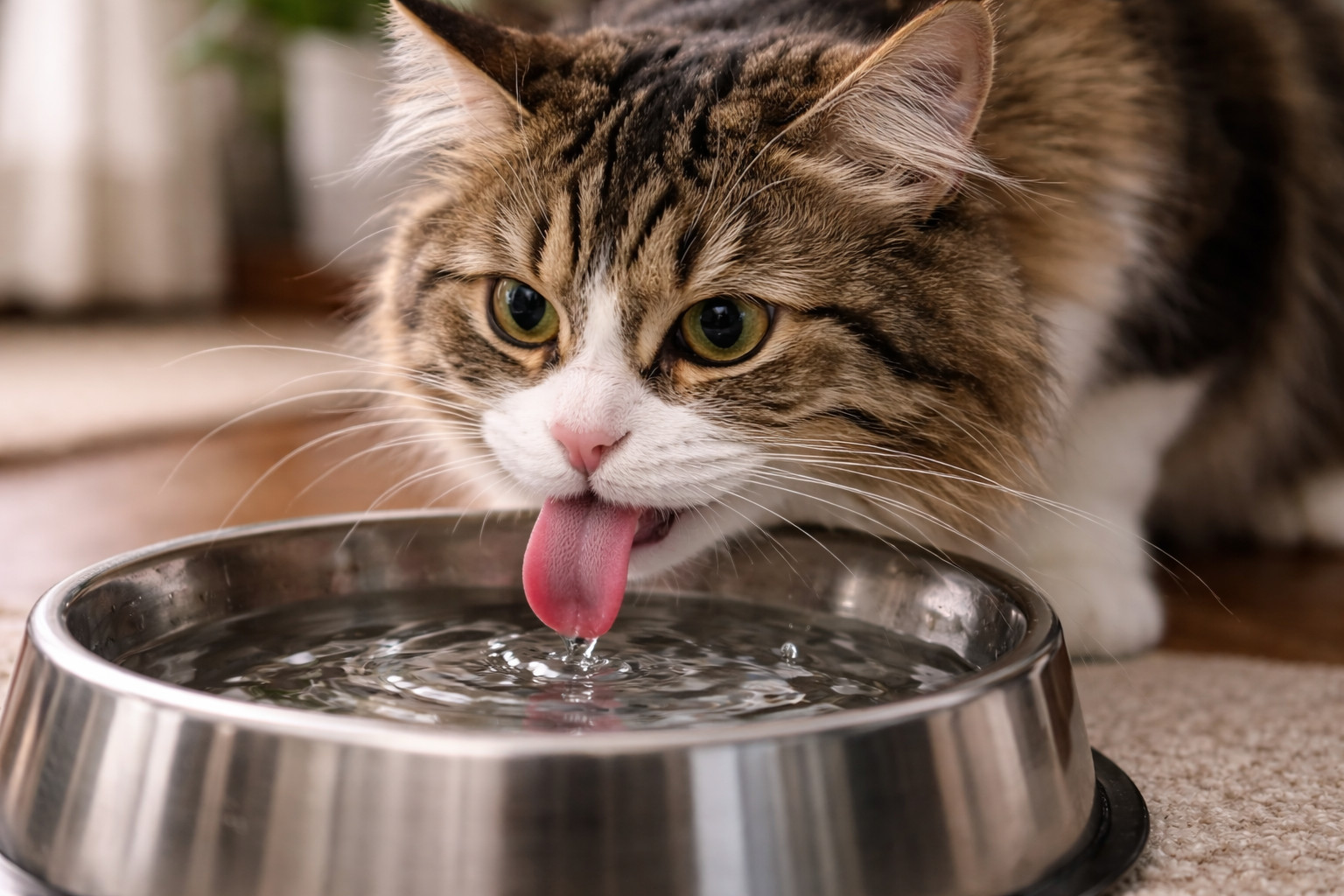
Is Your Cat Dehydrated?
Is Your Cat Dehydrated? Spot the Signs and Save Their Life!
What is Dehydration in Cats? (Definition and Why it's Dangerous)
Imagine a scorching summer day. You're sweating, your mouth feels like sandpaper, and all you can think about is gulping down a tall glass of water. Now, picture your feline companion – sleek, seemingly self-sufficient, but equally vulnerable to the insidious threat of dehydration.
Dehydration in cats occurs when their body loses more fluids than it takes in. This imbalance disrupts crucial bodily functions, impacting everything from circulation and digestion to kidney function and temperature regulation. Unlike humans, cats have a lower thirst drive, making them more susceptible to dehydration. Left unchecked, even mild dehydration can quickly escalate into a life-threatening emergency.
Why is it so dangerous? Because water is the lifeblood of your cat's system. It helps deliver vital nutrients, flush out toxins, and keep their organs functioning smoothly. When dehydration strikes, these processes grind to a halt, potentially leading to organ damage, shock, and ultimately, even death.
Causes of Cat Dehydration: What Factors Can Lead to Dehydration?
Understanding the potential causes of dehydration is the first step in protecting your furry friend. Several factors can contribute to this dangerous condition:
- Insufficient Water Intake: This is the most common culprit. Cats often don't drink enough water, especially if they primarily eat dry food. A lack of fresh, appealing water sources can exacerbate this.
- Underlying Medical Conditions: Kidney disease, diabetes, hyperthyroidism, and vomiting/diarrhea can all lead to increased fluid loss and dehydration.
- Heat Exposure: Just like humans, cats are susceptible to dehydration in hot weather, especially if they don't have access to shade and fresh water.
- Medications: Certain medications can have diuretic effects, causing increased urination and fluid loss.
- Stress: Stressful situations can sometimes cause cats to pant, leading to fluid loss.
- Age: Kittens and senior cats are generally more prone to dehydration. Kittens because their bodies are still developing and senior cats due to age-related decline in kidney function.
Cat Dehydration Symptoms: What Are the Key Signs to Look For?
Early detection is crucial. Being able to recognize the symptoms of cat dehydration can make all the difference. Keep an eye out for these key indicators:
- Lethargy and Weakness: A dehydrated cat will often appear tired, sluggish, and less playful than usual.
- Loss of Appetite: Dehydration can suppress appetite, leading to decreased food intake.
- Sunken Eyes: This is a more advanced sign of dehydration, indicating significant fluid loss.
- Dry Gums: Healthy cat gums should be moist. Dry or sticky gums are a strong indicator of dehydration.
- Elevated Heart Rate: While harder for owners to detect, rapid heartbeat can result from low blood volume caused by dehydration.
- Panting: Though more common in dogs, cats may pant when severely overheating/dehydrated, especially if they're stressed.
- Constipation: Inadequate water intake can lead to hard, dry stools and constipation.
How to Check for Cat Dehydration at Home: Practical Tests Owners Can Perform
You don't need to be a veterinarian to assess your cat's hydration levels. Here are two simple tests you can perform at home:
- The Skin Turgor Test: Gently pinch the skin on the back of your cat's neck or between their shoulder blades. Release the skin. In a well-hydrated cat, the skin should snap back into place almost immediately. If the skin slowly returns to its normal position or remains tented, your cat is likely dehydrated.
- The Gum Test: Lift your cat's lip and gently press your finger against their gums. Release the pressure. The color should return to the gums within 1-2 seconds. Delayed capillary refill time suggests possible dehydration.
When to See a Vet: When is Professional Help Necessary?
While home tests can provide valuable insights, it's crucial to know when professional veterinary care is essential. If your cat exhibits any of the following symptoms, seek immediate veterinary attention:
- Severe lethargy or unresponsiveness
- Sunken eyes
- Persistent vomiting or diarrhea
- Seizures
- Collapse
- If the skin turgor test indicates moderate to severe dehydration
- If your cat refuses to drink water for an extended period
Don't hesitate to err on the side of caution. Dehydration can rapidly worsen, and prompt veterinary intervention can be life-saving.
Treating Cat Dehydration: Veterinary Treatment Options Available
A veterinarian will assess your cat's dehydration level and overall health before recommending a treatment plan. Common treatments include:
- Subcutaneous Fluid Administration: This involves injecting fluids under the skin, allowing for gradual absorption into the bloodstream. This method is often used for mild to moderate dehydration.
- Intravenous (IV) Fluid Therapy: For severe dehydration, IV fluids are administered directly into a vein, providing rapid rehydration and electrolyte balance.
- Addressing Underlying Causes: If dehydration is caused by an underlying medical condition, the vet will address the root cause with appropriate medications and treatments.
Preventing Cat Dehydration: Tips and Tricks to Encourage Water Intake
Prevention is always better than cure. Here are practical tips to help keep your cat properly hydrated:
- Provide Multiple Water Sources: Place water bowls in various locations around your home, away from food bowls and litter boxes.
- Experiment with Different Water Bowls: Some cats prefer ceramic bowls, while others prefer stainless steel or even glass.
- Try a Cat Water Fountain: Many cats are attracted to moving water. A water fountain can encourage them to drink more.
- Offer Wet Food: Wet food has a much higher moisture content than dry food. Incorporating wet food into your cat's diet is an excellent way to boost their hydration.
- Flavor the Water: Add a small amount of tuna juice or low-sodium chicken broth to the water to make it more appealing. (Ensure it's vet approved if dietary restrictions apply).
- Keep Water Fresh and Clean: Change the water daily and clean the bowls regularly to prevent bacteria growth.
Best Ways to Hydrate a Cat: Different Water Sources, Food Options, and Techniques
Beyond the basics, consider these strategies to maximize your cat's fluid intake:
- Ice Cubes: Some cats enjoy batting and licking ice cubes, providing a fun and hydrating activity.
- Homemade Cat Soup: Blend a small amount of plain, cooked chicken or fish with water to create a flavorful and hydrating soup. Avoid adding any salt or spices.
- Hydrating Treats: Offer commercially available hydrating cat treats that are specifically formulated to increase water intake.
- Monitor Water Intake: Pay attention to how much water your cat is drinking each day. This will help you identify any potential problems early on.
The Importance of Fresh Water: Why Clean Water is Crucial for Cat Health
Providing fresh, clean water is not just about preventing dehydration; it's about supporting your cat's overall health and well-being. Stagnant or contaminated water can harbor bacteria, parasites, and other harmful microorganisms that can make your cat sick. Always ensure that your cat has access to a clean and appealing water source to encourage proper hydration and prevent potential health problems.
Cat Breeds Prone to Dehydration: Are Some Breeds More Susceptible?
While all cats can become dehydrated, some breeds may be more prone than others due to their unique physiological characteristics or predispositions to certain health conditions. For example, breeds with a higher risk of kidney disease, such as Persians and Maine Coons, may be more susceptible to dehydration. Similarly, breeds with flatter faces (brachycephalic), such as Persians and Himalayans, may have difficulty drinking water from traditional bowls due to their facial structure, potentially leading to decreased water intake.
Knowing your cat's breed and any potential health predispositions can help you tailor your hydration strategies and proactively address their specific needs. Consult with your veterinarian to discuss your cat's individual risk factors and develop a personalized hydration plan.


Leave a comment