Your One-Stop Shop for Everyday Essentials & Unique Finds









Stop the Stink! 5 Unexpected Reasons Your Cat Is Spraying (and How to Fix It)
That acrid, unmistakable odor… cat spray. It’s a feline faux pas that can drive even the most devoted cat owner to the brink. But before you resign yourself to a life of perpetual odor control, understand that spraying isn’t just a behavioral quirk. It’s a complex communication method, and understanding the why behind it is the first step to finding effective cat spraying solutions. Spraying is different than just urinating. Let's dive into five unexpected reasons your feline friend might be marking their territory, and, more importantly, how you can put a stop to it.
1. Understanding Cat Spraying vs. Urinating: How to Tell the Difference
Before we delve into the reasons, it's crucial to distinguish spraying from simple urination. While both involve your cat leaving liquid deposits, the motivations and methods differ significantly. Urination is primarily about relieving a full bladder, while spraying is a deliberate act of communication.
- Spraying: Typically involves a small amount of urine, sprayed horizontally onto vertical surfaces like walls, furniture legs, or doorways. Your cat will often back up to the surface, lift their tail, and quiver slightly while spraying. The urine has a strong, pungent odor due to added pheromones.
- Urination: Usually involves a larger volume of urine deposited on horizontal surfaces, like the floor, rug, or (hopefully) the litter box. Your cat will squat to urinate, and the urine odor is generally less intense.
Confusing the two can lead to misdiagnosis and ineffective solutions. If you’re unsure, observing your cat's posture and the location of the accident can provide valuable clues.
2. Stress and Anxiety: Can Environmental Changes Trigger Spraying?
Cats are creatures of habit, and even subtle changes in their environment can trigger stress and anxiety, leading to spraying. Think of spraying as their way of saying, I'm feeling insecure! Common environmental stressors include:
- Moving to a new home: A completely new environment can be overwhelming.
- New furniture or renovations: Even rearranging furniture can disrupt their sense of territory.
- Changes in routine: A new work schedule, a change in feeding times, or even a new brand of cat food can be upsetting.
- Loud noises: Construction, fireworks, or even frequent parties can cause anxiety.
Solution: Minimize environmental changes whenever possible. When changes are unavoidable, introduce them gradually. Provide your cat with plenty of familiar comforts, such as their favorite blanket, toys, and scratching post. Consider using a calming diffuser (more on that later!) to help reduce anxiety.
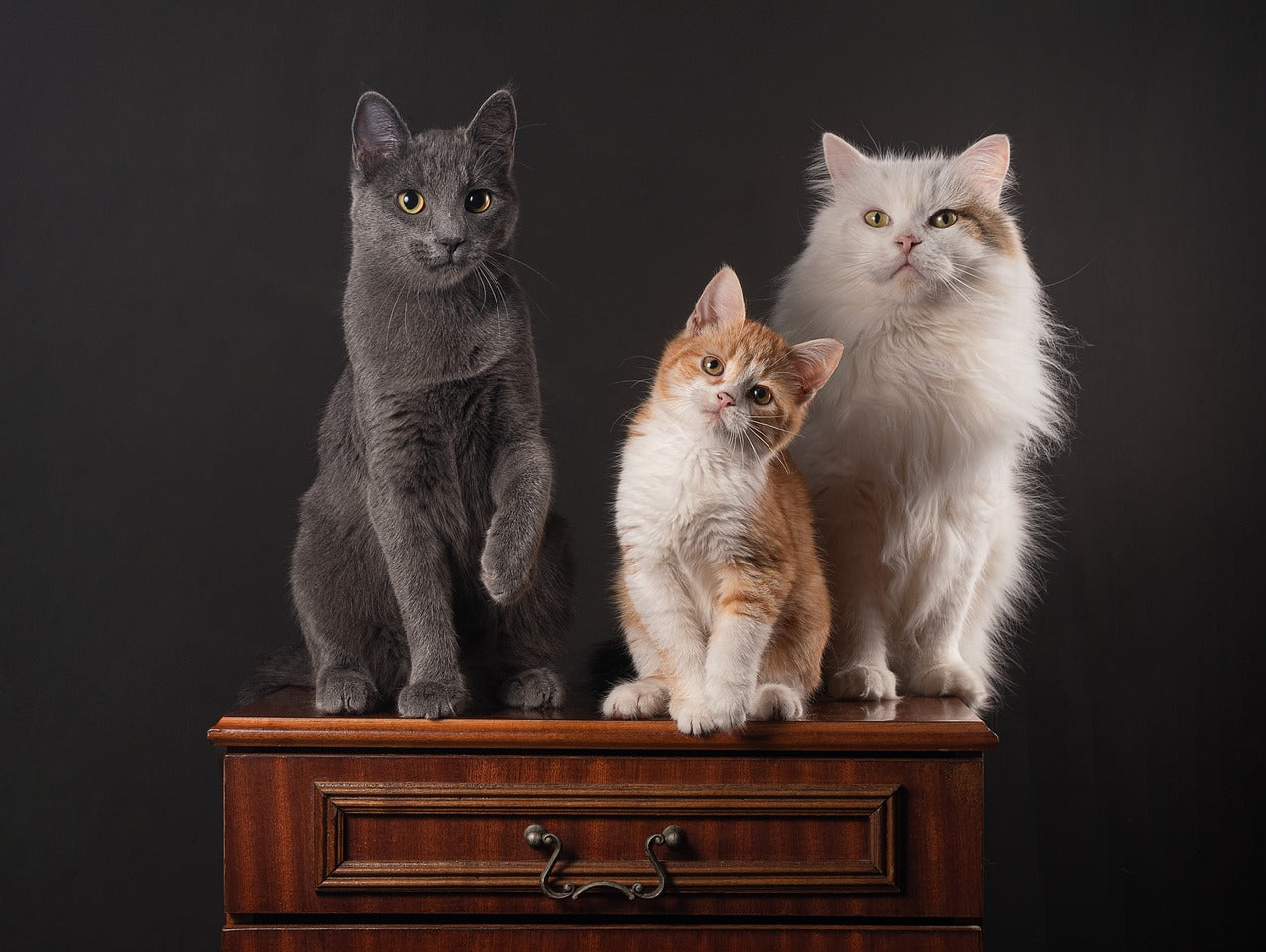
3. Unseen Feline Conflicts: Is a Multi-Cat Household Causing Territorial Marking?
Even if you don't witness outright aggression, subtle power struggles within a multi-cat household can be a major source of stress and lead to spraying. Cats are territorial creatures, and they use spraying to define their personal space and assert dominance.
Consider these potential conflict scenarios:
- Resource guarding: One cat may be preventing another from accessing food, water, litter boxes, or resting areas.
- Subtle aggression: Staring, blocking pathways, or hissing can create a tense environment.
- Unequal access to prime territory: A cat may spray to claim a sunny windowsill or a favorite napping spot.
Solution: Ensure each cat has ample resources (food, water, litter boxes, scratching posts, resting areas) in separate locations. Avoid forcing cats to interact. Provide vertical space (cat trees, shelves) to allow cats to avoid each other and establish their own territories. Spend individual time with each cat to reinforce their sense of security and belonging.
4. Medical Conditions: Could a Health Issue Be the Culprit Behind the Spraying?
While behavioral issues are often the primary cause of spraying, medical conditions can sometimes contribute to or even trigger the behavior. It's essential to rule out any underlying health problems before assuming it's purely behavioral.
Potential medical causes include:
- Urinary tract infections (UTIs): Can cause discomfort and urgency, leading to accidents outside the litter box that may be mistaken for spraying.
- Bladder stones or crystals: Similar to UTIs, these can cause pain and inflammation, leading to inappropriate elimination.
- Kidney disease: Can increase urine production, making it difficult for the cat to control their bladder.
- Arthritis: Painful joints can make it difficult for older cats to access the litter box, leading to accidents.
- Hyperthyroidism: Can increase thirst and urination, leading to accidents.
Solution: Schedule a veterinary exam to rule out any medical causes. Provide your vet with a detailed description of your cat's spraying behavior, including frequency, location, and any other relevant symptoms. If a medical condition is diagnosed, follow your vet's treatment recommendations.
Stop the spraying—keep your home smelling fresh again!
5. Improper Litter Box Management: Is Cleanliness and Accessibility a Factor?
Cats are fastidious creatures, and a dirty or inaccessible litter box can be a major deterrent. While this is more likely to cause urination outside the box, it can also contribute to spraying, especially if the cat associates the litter box with negative experiences.
Consider these litter box factors:
- Cleanliness: Cats prefer a clean litter box. Scoop it daily and completely change the litter weekly.
- Litter type: Some cats are picky about litter texture and scent. Experiment with different types to find one your cat prefers.
- Litter box location: The litter box should be located in a quiet, accessible area away from food and water.
- Number of litter boxes: In multi-cat households, provide one litter box per cat plus one extra.
- Litter box size: The litter box should be large enough for your cat to comfortably turn around and dig.
Solution: Maintain a clean and accessible litter box. Experiment with different litter types and locations. Ensure you have enough litter boxes for your household. Consider the age and physical limitations of your cat when choosing a litter box (e.g., a low-sided box for cats with arthritis).
6. Identifying the Triggers: How to Observe and Record Spraying Incidents?
Solving the spraying puzzle requires detective work. Keep a detailed record of each spraying incident, noting the date, time, location, and any potential triggers (e.g., a new cat visiting, a loud noise). This information can help you identify patterns and pinpoint the underlying cause.
7. Environmental Enrichment: How to Reduce Stress and Provide Alternatives
A bored or under stimulated cat is more likely to engage in spraying behavior. Provide plenty of environmental enrichment to keep your cat entertained and reduce stress.
- Scratching posts: Provide vertical and horizontal scratching surfaces.
- Interactive toys: Rotate toys regularly to keep your cat engaged.
- Puzzle feeders: Provide mental stimulation and slow down eating.
- Climbing opportunities: Cat trees, shelves, and window perches provide vertical territory.
- Playtime: Spend 10-15 minutes each day playing with your cat.
8. Scent Management: How to Clean and Eliminate Existing Spray Marks
Cats are highly sensitive to scent, and lingering odors from previous spraying incidents can encourage repeat offenses. Thoroughly clean any sprayed areas with an enzymatic cleaner specifically designed to eliminate pet odors. Avoid using ammonia-based cleaners, as they can smell similar to urine and attract your cat back to the same spot. Prevention is a key cat spraying solution. By removing the odor you cut off the urge to return again.
Stop the spraying—keep your home smelling fresh again!
9. Pheromone Therapy: Can Pheromone Diffusers Help Calm Anxious Cats?
Feliway diffusers release synthetic feline pheromones that can help calm anxious cats and reduce spraying. These diffusers mimic the natural pheromones that cats release to mark their territory as safe and secure. Place diffusers in areas where your cat spends most of their time or where they are spraying.
10. Veterinary Consultation: When Is It Time to Seek Professional Help?
If you've tried these strategies and your cat is still spraying, it's time to consult with your veterinarian or a certified feline behaviorist. They can help you identify any underlying medical or behavioral issues and develop a customized treatment plan.
Stopping cat spraying requires patience, persistence, and a willingness to understand your cat's perspective. By addressing the underlying causes and providing your cat with a safe, enriching environment, you can eliminate the stink and restore peace to your home. Finding reliable cat spraying solutions takes time, but staying consistent produces lasting, positive change.



Leave a comment