Your One-Stop Shop for Everyday Essentials & Unique Finds









Airline Pet Policy Secrets: What They Don't Want You to Know
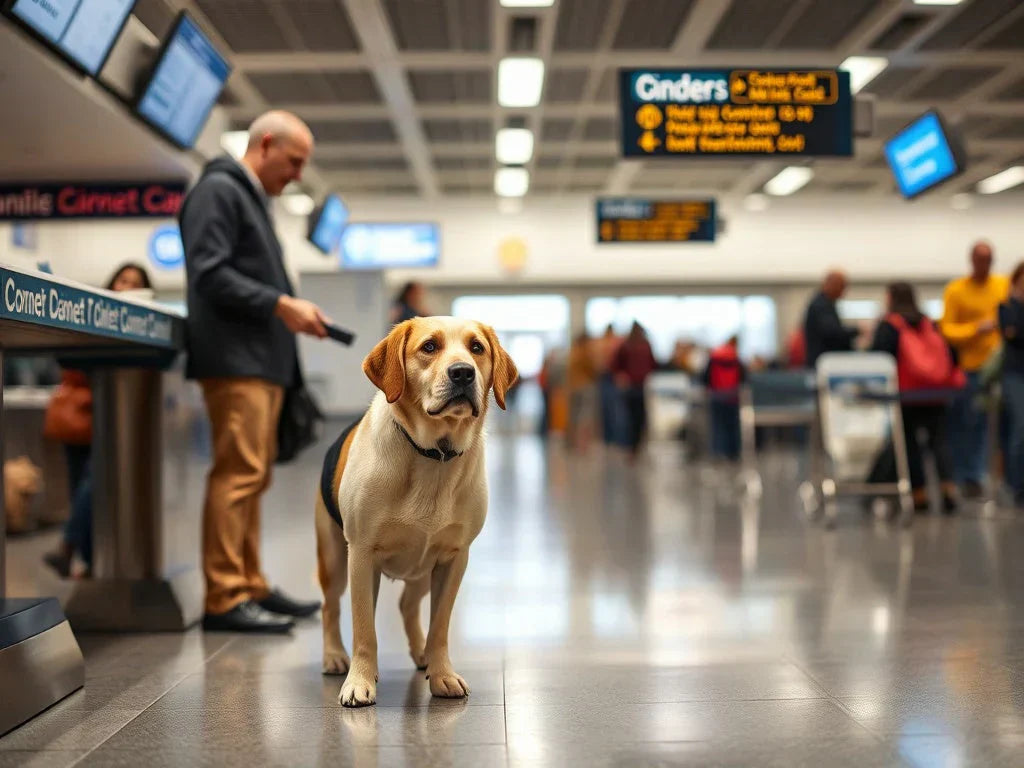
Flying with your beloved pet can feel like navigating a bureaucratic maze, fraught with hidden fees, confusing regulations, and the constant worry of your furry friend's safety and comfort. Airlines don't always make it easy, and often, the most crucial information is buried in the fine print. This guide unveils the airline pet policy secrets they don't want you to know, arming you with the knowledge to ensure a smooth, stress-free journey for both you and your companion.
Understanding the Basics of Airline Pet Policies
At its core, an airline pet policy outlines the rules and requirements for transporting animals, whether in the cabin with you or as cargo. These policies vary significantly between airlines, covering everything from accepted breeds and carrier sizes to health documentation and reservation procedures. Ignoring the basics can lead to denied boarding, unexpected costs, or, worse, jeopardize your pet's well-being. Always start by thoroughly reviewing the specific policy of the airline you plan to fly with, paying close attention to any updates, as these policies can change frequently. Understand that these rules exist (in theory) to keep pets safe.
Hidden Fees and Charges: What Airlines Don't Always Disclose
Beyond the advertised pet fare, numerous hidden fees can inflate the cost of flying with your animal. These might include charges for oversized carriers, additional fees for specific routes (especially international ones), and unexpected quarantine costs. Some airlines also impose handling fees or require you to purchase specific airline-approved carriers, adding to the expense. Always confirm all potential charges before booking. Call the airline directly and ask for a comprehensive breakdown of all fees associated with your pet's travel.
Breed and Size Restrictions: Navigating the Complex Rules
Many airlines impose strict breed and size restrictions, particularly for in-cabin travel and cargo transport. Certain brachycephalic (short-nosed) breeds, like Bulldogs and Persian cats, are often banned due to their increased risk of respiratory issues at altitude. Size restrictions dictate the maximum dimensions and weight of your pet carrier, which can vary depending on the aircraft type. Failure to comply with these restrictions can result in your pet being denied travel, so measure your pet and carrier carefully and verify compliance with the specific airline's guidelines. Don't assume that a carrier that worked on one airline will be acceptable on another.
In-Cabin vs. Cargo: Which is Safer and What are the Requirements?
For most pet owners, having their furry friend in the cabin is the preferred option, allowing for closer monitoring and reduced stress. However, in-cabin space is limited, and availability is often first-come, first-served. Cargo transport involves placing your pet in a climate-controlled compartment in the aircraft's hold. While airlines insist these compartments are safe, many pet owners worry about the potential for temperature fluctuations, rough handling, and lack of supervision. If cargo is your only option, research the airline's cargo handling procedures and ensure your pet's carrier is sturdy, well-ventilated, and clearly labeled with your contact information. Also ensure that your pet has proper identification.
Health Certificates and Vaccinations: Avoiding Last-Minute Headaches
Airlines typically require a health certificate issued by a licensed veterinarian within a specific timeframe (usually 10 days) before travel. This certificate confirms your pet is healthy and free from infectious diseases. Up-to-date vaccinations are also mandatory, with rabies being a universal requirement. Specific vaccines may be required depending on your origin and destination. Missing or expired documentation can lead to your pet being quarantined or denied boarding. Double-check the airline's requirements and allow ample time to obtain all necessary paperwork from your vet.
Crate Requirements: Ensuring Compliance and Comfort
Whether your pet travels in the cabin or as cargo, the carrier must meet specific requirements. It should be leak-proof, well-ventilated, and large enough for your pet to stand, turn around, and lie down comfortably. Hard-sided carriers are generally preferred for cargo, while soft-sided carriers are often permitted in the cabin (provided they fit under the seat). Acclimate your pet to the carrier well in advance of the flight by making it a familiar and comfortable space with bedding and toys. Positive reinforcement, such as treats and praise, can also help reduce travel anxiety.
Airline-Specific Pet Policy Comparison
Comparing airline pet policies is crucial before booking. Some airlines are more pet-friendly than others, offering amenities like pet relief areas in airports or more flexible size and breed restrictions. Websites like PetFriendly.com and BringFido offer comparisons of pet policies across major airlines. Also, read reviews from other pet owners who have flown with specific airlines to get real-world insights into their experiences. Don't rely solely on the airline's website; independent reviews can provide valuable information.
Booking Your Pet's Flight: Timing and Reservation Tips
Booking your pet's flight requires careful timing and strategy. Airlines often limit the number of pets allowed on each flight, especially in the cabin, so book well in advance, particularly during peak travel seasons. Call the airline directly to make the reservation for your pet, rather than booking online; this allows you to confirm all requirements and ask any questions you may have. Choose direct flights whenever possible to minimize stress and reduce the risk of missed connections or delays.
Preparing Your Pet for Air Travel: Reducing Stress and Anxiety
Preparing your pet for air travel is essential to minimizing stress and anxiety. Acclimate them to their carrier well in advance of the flight. Take them on short car rides in the carrier to get them used to the motion and confinement. On the day of travel, avoid feeding them a large meal right before the flight and provide plenty of water. Calming aids, such as pheromone sprays or calming treats, can also help reduce anxiety, but always consult with your veterinarian before using any medication.
Solution For Pet Owners On The Go
What Happens During Check-In and Boarding with a Pet?
Arrive at the airport early, as checking in with a pet typically requires additional time. You'll need to present your pet's health certificate and other required documentation. Be prepared to remove your pet from the carrier for security screening. During boarding, inform the flight attendant that you're traveling with a pet so they can provide any necessary assistance. For in-cabin pets, ensure the carrier is properly stowed under the seat in front of you throughout the flight.
Dealing with Delays and Cancellations When Traveling with Pets
Flight delays and cancellations are stressful enough, but they can be even more challenging when traveling with a pet. Keep your pet's food and water readily available in case of delays. If your flight is canceled, immediately contact the airline to rebook your flight and confirm that your pet's reservation is also transferred. Ask about options for pet-friendly accommodations if you need to stay overnight.
Emotional Support Animals (ESAs) and Service Animals: Current Regulations and Your Rights
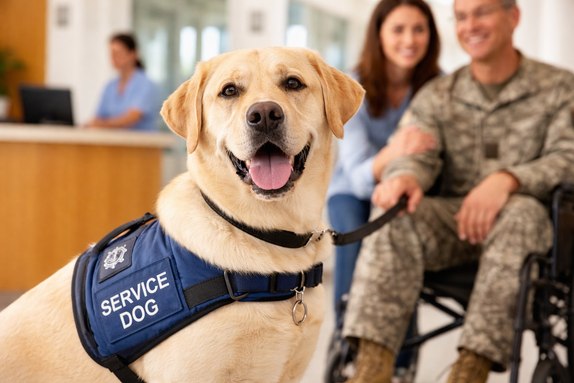
The regulations surrounding Emotional Support Animals (ESAs) have changed significantly in recent years. Many airlines no longer recognize ESAs as service animals, meaning they are subject to the same pet fees and restrictions as regular pets. Service animals, which are trained to perform specific tasks for individuals with disabilities, are still generally allowed to travel in the cabin free of charge, but documentation may be required. Understand the current regulations and your rights to avoid any surprises at the airport.
International Travel with Pets: Navigating Customs and Quarantine Rules
International travel with pets involves a whole new level of complexity. Each country has its own specific import regulations, including required health certificates, vaccinations, and quarantine periods. Some countries have banned the import of certain breeds altogether. Contact the embassy or consulate of your destination country well in advance of your trip to obtain accurate and up-to-date information on their pet import requirements. Failing to comply with these regulations can result in your pet being denied entry or subjected to lengthy quarantine periods.
Alternative Transportation Options: Are They Better Than Flying?
Depending on your destination and your pet's temperament, alternative transportation options, such as driving or using a pet transport service, may be preferable to flying. Driving allows you to maintain complete control over your pet's environment and schedule. Pet transport services offer door-to-door transportation for pets, handling all the logistics and paperwork involved. Consider the pros and cons of each option before making a decision.
Real-Life Pet Travel Horror Stories and How to Avoid Them
Unfortunately, pet travel horror stories are all too common. From pets being lost or injured during transit to being denied boarding due to paperwork errors, the potential for problems is real. Read these stories to learn from others' mistakes. The key takeaways are thorough preparation, meticulous attention to detail, and a proactive approach to addressing any potential issues.
Must-Have For Pet Owners
Resources and Tools for Planning Pet-Friendly Air Travel
Numerous resources and tools can help you plan pet-friendly air travel. Websites like the USDA Animal and Plant Health Inspection Service (APHIS) and the International Pet and Animal Transportation Association (IPATA) provide valuable information on regulations and best practices. Online forums and social media groups dedicated to pet travel can offer peer support and advice. Utilize these resources to make informed decisions and ensure a smooth journey.
The Future of Airline Pet Policies: What Changes to Expect
Airline pet policies are constantly evolving in response to safety concerns, customer feedback, and regulatory changes. Expect to see increased scrutiny of breed and size restrictions, stricter enforcement of health certificate requirements, and potentially, the development of more pet-friendly amenities and services. Staying informed about these changes will be crucial for pet owners planning to fly with their animals in the future. The best way to stay on top of changes is to check the airline pet policy for your specific airline before each and every flight.



Leave a comment