Your One-Stop Shop for Everyday Essentials & Unique Finds








Puppy Crate Training: The Secret Language of Happy, Well-Adjusted Dogs
Puppy Crate Training: The Secret Language of Happy, Well-Adjusted Dogs
What is Crate Training and Why is it Important for Puppies?
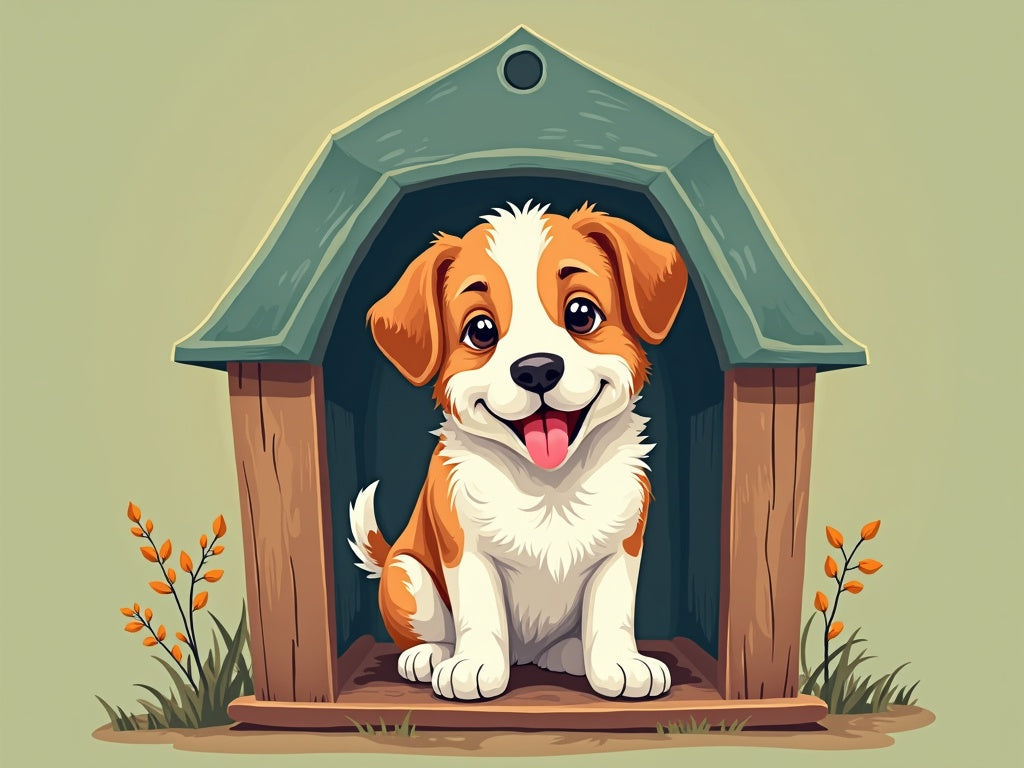
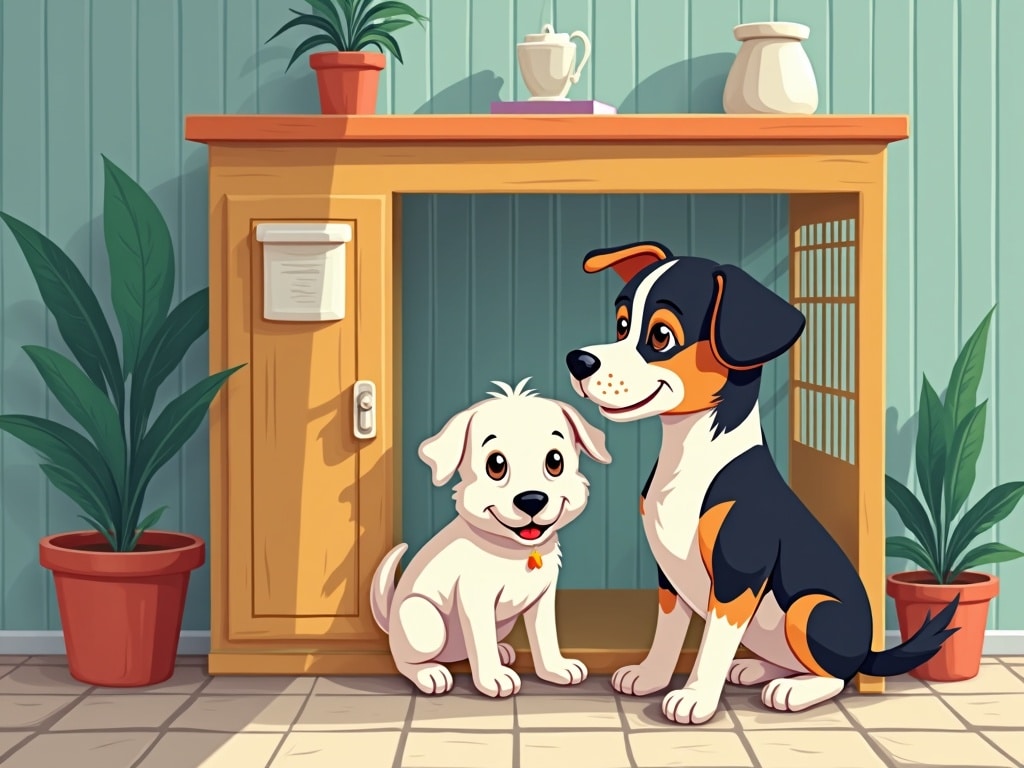
Imagine a den. A safe, cozy, personal space where your furry friend can retreat, relax, and feel secure. That's the essence of crate training. More than just a method to confine your puppy, crate training is a powerful tool that taps into a dog's natural instincts, offering them a sanctuary and fostering a sense of security. So, when we talk about puppy crate training tips, we're really talking about a path to a happier, more well-adjusted companion.
Why is it so important? For starters, dogs are den animals. A crate provides that den-like environment, reducing anxiety and promoting relaxation. It also aids in housebreaking, prevents destructive behaviors, and offers a safe haven during travel or stressful situations. Think of it as their own personal Zen zone.
Choosing the Right Crate Size and Type for Your Puppy
Size matters in the crate world. Too big, and your puppy might use one corner as a bathroom. Too small, and they'll feel cramped and uncomfortable. The ideal crate size should allow your puppy to stand up, turn around, and lie down comfortably – nothing more. Think Goldilocks and the Three Bears, but for dog crates.
As for the type, you have options: plastic, wire, or fabric. Wire crates offer good ventilation and visibility, plastic crates provide more privacy and are often required for air travel, and fabric crates are lightweight and portable, great for calmer pups. Consider your puppy's personality and your lifestyle when making this decision. An escape artist might need a more robust wire crate, while a sensitive pup might prefer the security of a plastic one.
Introducing Your Puppy to the Crate: Making it a Positive Experience
This is where the magic happens. The key is to associate the crate with positive experiences. Never use it as punishment! Instead, make it a fun and inviting place.
Start by placing the crate in a common area of your home, like the living room. Leave the door open and toss in some treats or toys. Encourage your puppy to explore it at their own pace. You can also feed them their meals inside the crate. If they hesitate, place the bowl just inside the entrance, gradually moving it further in as they become more comfortable. Turn the crate into a treasure trove of good things, and your puppy will soon see it as a happy place.
Puppy Crate Training Schedule: Feeding, Potty Breaks, and Sleep
Consistency is key to successful crate training. A regular schedule helps your puppy learn to control their bladder and bowels, making housebreaking much easier. As part of your puppy crate training tips, start with meals in the crate, immediately followed by a potty break outside. Praise and reward them for eliminating outside.
For sleep, encourage your puppy to sleep in the crate at night. During the day, incorporate short crate naps into their routine. The length of time your puppy can stay in the crate depends on their age, but we'll dive into that in more detail later.
Puppy Crying in the Crate: How to Handle it and When to Intervene
Ah, the dreaded puppy wails! It's heartbreaking, but remember, it's usually just a sign of loneliness or boredom, not necessarily distress. It's important to distinguish between a genuine need and a simple I want out! cry.
If your puppy cries, wait a few minutes to see if they settle down. It's important not to immediately rush to their rescue, as this can reinforce the crying behavior. If the crying persists, take them outside for a potty break, even if it hasn't been long since their last one. If they eliminate, praise them and bring them back to the crate. If they don't, put them back and try again later. If you're sure they don't need to potty, a firm No! can sometimes deter the crying. However, if the crying is accompanied by frantic behavior, like excessive panting or drooling, it's best to check on them to make sure they're not in distress.
How Long Can a Puppy Stay in a Crate? Age-Appropriate Guidelines
This is a crucial aspect of responsible crate training. As a general rule, puppies can hold their bladder for about one hour for every month of age. So, a two-month-old puppy can typically hold it for about two hours, a three-month-old for three hours, and so on.
Here's a helpful guideline:
- 8-10 weeks old: 1 hour max
- 11-14 weeks old: 2-3 hours max
- 15-16 weeks old: 3-4 hours max
- 17+ weeks old: 4-5 hours max (but ideally, no more than 4 hours during the day)
Remember, these are just guidelines. Every puppy is different. Always err on the side of caution and provide frequent potty breaks, especially when you're first starting out which is a crucial puppy crate training tip for success.
Crate Training Problems and Solutions: Common Mistakes to Avoid
Crate training isn't always smooth sailing. But don't worry, most common problems have easy solutions. One of the biggest mistakes is using the crate as punishment. Never do this! It will only create negative associations and make your puppy fear the crate.
Another common issue is leaving a puppy in the crate for too long. This can lead to accidents and frustration. Make sure to follow the age-appropriate guidelines and provide plenty of potty breaks. If your puppy is consistently having accidents in the crate, it could be a sign that they need to go out more often, or that the crate is too big.
Also, avoid giving in to crying or whining unless you're sure there's a legitimate reason. Giving in reinforces the behavior and teaches your puppy that crying gets them what they want. Patience and consistency are key to success.
Crate Training at Night: Ensuring Peaceful Sleep for You and Your Puppy
Nighttime crate training is essential for establishing a consistent routine and promoting good sleep habits. Make sure your puppy has had a potty break right before bedtime. You can also place a familiar blanket or toy in the crate to provide comfort and security.
Initially, you might want to keep the crate in your bedroom so you can hear if your puppy needs to go out. If they start to cry, take them outside for a potty break, but keep it brief and businesslike. Avoid playing or cuddling, as this can encourage them to wake up more often. Once your puppy is consistently sleeping through the night, you can gradually move the crate to a different location, if desired.
Using Crate Training for Housebreaking: A Step-by-Step Guide
Crate training and housebreaking go hand in hand. Here's a step-by-step guide to using the crate to help with housebreaking:
- Take your puppy outside for a potty break immediately after they wake up, after they eat, and after they play.
- Praise and reward them for eliminating outside.
- If they don't eliminate outside, bring them back inside and put them in the crate for a short period (15-20 minutes).
- After the designated time, take them outside again.
- Repeat this process until they eliminate outside.
- Never punish your puppy for accidents in the crate. Clean them up thoroughly with an enzymatic cleaner to eliminate odors.
This consistent routine will help your puppy learn to associate going potty with going outside.
Beyond the Basics: Advanced Crate Training Tips and Tricks
Once your puppy is comfortable with the crate, you can start to incorporate more advanced training techniques. For example, you can teach them to go to their crate on command. Simply say crate and lure them inside with a treat. Praise them when they enter and close the door for a few seconds before letting them out. Gradually increase the amount of time they stay in the crate.
You can also use the crate as a time out for bad behavior. If your puppy is being overly rambunctious, you can put them in the crate for a few minutes to calm down. However, it's important to do this calmly and without anger, so they don't associate the crate with punishment.
Ultimately, crate training is an ongoing process. Be patient, consistent, and positive, and you'll create a safe and happy space for your furry friend. Remember, we're speaking the language of happy, well-adjusted dogs, one crate at a time!

Leave a comment