Your One-Stop Shop for Everyday Essentials & Unique Finds








DIY Natural Flea Treatments Your Dog Will Love
Paws Off, Fleas! DIY Natural Flea Treatments Your Dog Will Love
Understanding Fleas: Tiny Terrors with a Big Impact
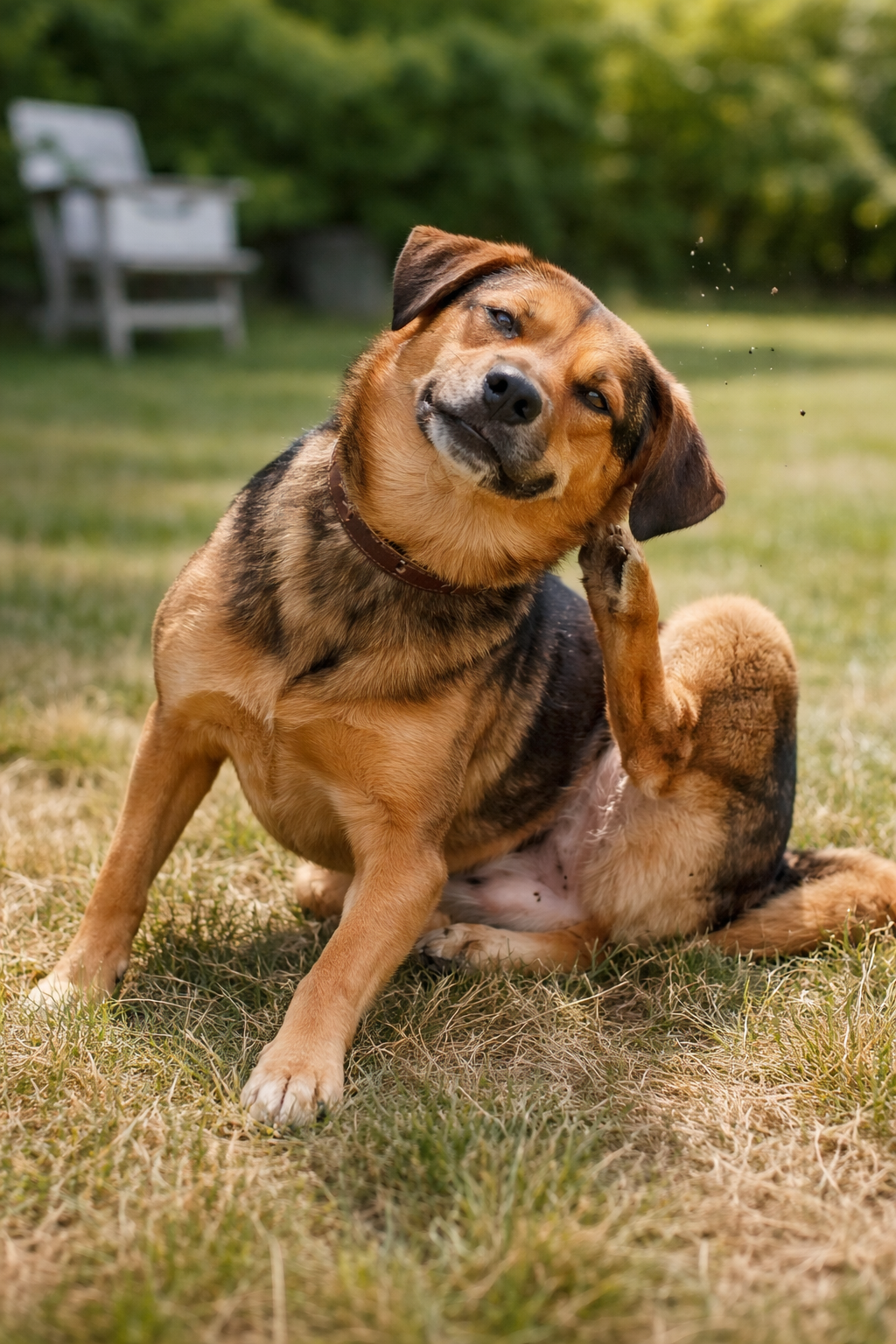
Imagine your dog, happily wagging its tail, suddenly scratching incessantly. Could be allergies, but more often than not, the culprit is far smaller and more sinister: fleas. These tiny, wingless insects are more than just a nuisance; they're parasites that feed on blood, causing intense itching, skin irritation, and potential health problems for your beloved canine companion.
Fleas have a complex life cycle consisting of four stages: egg, larva, pupa, and adult. Adult fleas, the ones you see hopping on your dog, are only a fraction of the problem. They represent just 5% of the total flea population. The other 95% exists as eggs, larvae, and pupae scattered throughout your home and yard, waiting to hatch and continue the cycle of infestation. This makes flea control a multi-faceted challenge.
Beyond the immediate discomfort, flea infestations can lead to serious health issues in dogs. Flea Allergy Dermatitis (FAD) is a common allergic reaction to flea saliva, causing extreme itchiness, hair loss, and secondary skin infections. In severe cases, especially in puppies, heavy infestations can lead to anemia due to blood loss. Fleas can also transmit tapeworms, further compromising your dog's health.
Identifying Flea Infestation: Is Your Dog a Flea Magnet?
Early detection is crucial in preventing a full-blown flea infestation. Keep a watchful eye for these telltale signs:
- Excessive Scratching, Biting, and Licking: This is the most obvious sign. Pay attention to areas like the base of the tail, groin, and belly.
- Restlessness: Fleas can make your dog agitated and unable to settle down.
- Hair Loss: Chronic scratching can lead to bald patches, especially around the hindquarters.
- Skin Irritation: Look for red, inflamed skin, hot spots, and scabs.
- Flea Dirt: These are small, black specks (flea feces) that resemble pepper. To check, comb your dog over a white surface. If the specks turn reddish-brown when wet, it's flea dirt.
- Visible Fleas: Adult fleas are small, dark brown, and move quickly. You might spot them jumping on your dog or in their bedding.
The White Towel Test: Have your dog lie on a white towel or sheet. Vigorously rub their fur. Then check the towel for any dark specks that fall off. Moisten the specs. If they turn red, you have fleas.
The Problem with Conventional Flea Treatments: Risks You Should Know
While conventional flea treatments, such as topical spot-ons and oral medications, can be effective, they often contain harsh chemicals like pyrethrins, pyrethroids, and organophosphates. These chemicals can pose potential health risks to your dog, as well as to your family and the environment.
Some common side effects of chemical-based flea treatments include skin irritation, vomiting, diarrhea, lethargy, and in rare cases, seizures or neurological problems. Long-term exposure to these chemicals may also have more subtle, but equally concerning, effects on your dog's health. It's also important to consider the potential for these chemicals to contaminate waterways and harm beneficial insects.
DIY Natural Flea Treatment Philosophy: Gentle, Effective, and Safe
Choosing natural flea treatments offers a gentler, safer, and more sustainable approach to flea control. Natural remedies utilize plant-based ingredients and other non-toxic substances to repel fleas without exposing your dog to harmful chemicals. The benefits of natural flea control are numerous:
- Reduced Risk of Side Effects: Natural treatments are less likely to cause adverse reactions compared to chemical-based products.
- Safe for Puppies, Seniors, and Sensitive Dogs: Many natural remedies are gentle enough for use on dogs with sensitive skin, puppies, and senior dogs. Always, always test a small area first.
- Environmentally Friendly: Natural ingredients are biodegradable and less harmful to the environment.
- Cost-Effective: Many DIY natural flea treatments can be made with ingredients you already have at home.
- Holistic Approach: Natural flea control often focuses on strengthening your dog's overall health and immune system, making them less susceptible to flea infestations.
DIY Flea Sprays: Natural Repellents in a Bottle
Flea sprays are an effective way to repel fleas from your dog's coat. Here are a few recipes using essential oils known for their flea-repelling properties. Remember to always dilute essential oils properly and test a small area first to check for any allergic reactions.
Important Note: Use essential oils with caution. Some can be harmful to dogs, especially in high concentrations. Research is crucial. Always consult with your veterinarian before using any essential oils on your dog, especially if they are pregnant, nursing, or have any underlying health conditions. Some oils, like tea tree oil, are toxic even in small amounts.
Recipe 1: Lavender & Cedarwood Flea Spray
- 1 cup water
- 2 tablespoons witch hazel or apple cider vinegar
- 10 drops lavender essential oil
- 5 drops cedarwood essential oil
Recipe 2: Rosemary & Peppermint Flea Spray
- 1 cup water
- 2 tablespoons white vinegar
- 10 drops rosemary essential oil
- 5 drops peppermint essential oil
Instructions:
- Combine all ingredients in a spray bottle.
- Shake well before each use.
- Lightly mist your dog's coat, avoiding the eyes, nose, and genital area.
- Massage the spray into their fur.
- Repeat 1-2 times daily.
Eucalyptus: While effective, use eucalyptus with extreme caution around dogs, as it can be toxic if ingested. Only use in very diluted form and ensure your dog cannot lick it off.
Flea-Repelling Shampoos: Bathe Away the Bugs
A flea-repelling shampoo can help to kill existing fleas and prevent new ones from infesting your dog's coat. These shampoos use natural ingredients to cleanse the skin and repel fleas. Again, a test patch is crucial.
Recipe: Natural Flea Shampoo
- 1 cup liquid castile soap (unscented)
- 1/2 cup water
- 1/4 cup apple cider vinegar
- 5 drops lavender essential oil
- 3 drops peppermint essential oil
Instructions:
- Combine all ingredients in a bottle.
- Wet your dog thoroughly.
- Apply the shampoo, working it into a lather.
- Let it sit for 5-10 minutes to allow the essential oils to work.
- Rinse thoroughly.
- Dry your dog completely.
Consider adding finely ground oatmeal to the shampoo for dogs with sensitive skin. Oatmeal has soothing and anti-inflammatory properties.
Dietary Changes for Flea Control: Nutrition from the Inside Out
A healthy diet can strengthen your dog's immune system and make them less attractive to fleas. Certain foods are believed to have flea-repelling properties when ingested. They often change the dog's skin and make them less inviting.
Foods That May Help Repel Fleas:
- Garlic: While controversial, small amounts of garlic (raw or cooked) may help to repel fleas. However, garlic can be toxic to dogs in large quantities. Consult with your veterinarian to determine a safe dosage for your dog's size and breed. Start with minuscule amounts to monitor tolerance and allergies.
- Apple Cider Vinegar: Adding a teaspoon of apple cider vinegar to your dog's water bowl may help to make their skin less appealing to fleas.
Hydration: Ensure your dog is always well-hydrated. Healthy skin is less attractive to pests.
A balanced diet rich in omega-3 fatty acids can also improve skin health and reduce inflammation, making your dog less prone to flea bites.
Natural Flea Collars: DIY Protection On-the-Go
A DIY flea collar can provide continuous flea protection for your dog. It's a simple way to infuse a regular dog collar with flea-repelling essential oils. Please use extreme caution and monitor for reactions.
Instructions:
- Choose a plain, non-toxic dog collar (cloth or nylon).
- Add 5-10 drops of flea-repelling essential oils (lavender, cedarwood, rosemary – *carefully chosen based on safety for dogs*) to a cotton ball or a small piece of absorbent fabric.
- Place the cotton ball inside a small pouch or charm that can be attached to the collar. Alternatively, you can apply the diluted essential oils directly to the collar, ensuring they are absorbed into the fabric.
- Monitor your dog closely for any signs of skin irritation or allergic reaction.
- Reapply essential oils every 1-2 weeks.
Safety First: Ensure the collar is not too tight and that your dog cannot chew or ingest the essential oil-infused material. Regularly check the skin under the collar for any signs of irritation.
Home Remedies and Environmental Control: Taking the Battle to Their Territory
Treating your dog is only half the battle. You also need to address the flea population in your home and yard. Fleas thrive in carpets, upholstery, bedding, and shaded areas outdoors.
- Diatomaceous Earth (DE): This natural powder is made from fossilized algae. It's safe for pets and humans but deadly to fleas. Sprinkle DE on carpets, pet bedding, and in your yard. Let it sit for a few days, then vacuum thoroughly. Use *food gradeDiatomaceous Earth!
- Nematodes: These microscopic worms are beneficial parasites that feed on flea larvae in the soil. Apply nematodes to your yard, especially in shaded areas where fleas breed.
- Flea Traps: Place flea traps (sticky traps with a light source) around your home to attract and capture adult fleas.
- Regular Vacuuming: Vacuum your carpets, rugs, and upholstery frequently to remove flea eggs, larvae, and pupae. Empty the vacuum bag or canister immediately after each use.
- Wash Bedding Regularly: Wash your dog's bedding in hot, soapy water at least once a week.
Safety Precautions and Considerations: When in Doubt, Ask a Vet
While natural flea treatments are generally safer than chemical-based products, it's important to take precautions to avoid potential problems. ALWAYS consult with your veterinarian before starting any new flea treatment regimen, especially if your dog has any underlying health conditions or sensitivities.
- Essential Oil Safety: Not all essential oils are safe for dogs. Some can be toxic, even in small amounts. Always dilute essential oils properly and use them sparingly. Monitor your dog closely for any signs of allergic reaction, such as skin irritation, vomiting, or difficulty breathing.
- Allergic Reactions: Even natural ingredients can cause allergic reactions in some dogs. Test any new remedy on a small area of skin before applying it to your entire body.
- Puppies, Seniors, and Sensitive Dogs: Use extra caution when treating puppies, senior dogs, and dogs with sensitive skin. Choose gentle remedies and monitor them closely for any adverse reactions.
- When to See a Vet: If your dog has a severe flea infestation, signs of anemia, or a persistent skin infection, consult with your veterinarian immediately.
Maintaining a Flea-Free Environment: Prevention is Key
The best way to keep fleas away is to prevent them from infesting your dog and home in the first place. Implement these preventative measures:
- Regular Grooming: Brush your dog regularly to remove loose hair and skin cells, which can attract fleas.
- Frequent Bathing: Bathing your dog every 1-2 weeks with a natural flea shampoo can help to keep fleas at bay.
- Yard Maintenance: Keep your lawn trimmed, remove leaf litter, and prune shrubs to reduce flea breeding grounds.
- Monitor Your Dog Regularly: Check your dog for fleas regularly, especially after being outdoors.
- Year-Round Protection: Fleas can be a problem year-round, even in colder climates. Continue using preventative measures throughout the year.
Success Stories and Testimonials
I was hesitant to use chemical flea treatments on my sensitive-skinned poodle, but the fleas were driving us both crazy! I tried a lavender and cedarwood flea spray, and after just a few days, the scratching stopped, and his coat looks so much healthier! - Sarah M.
Diatomaceous earth was a lifesaver when we had a flea infestation in our house. It was so easy to use, and I felt good knowing it was safe for my kids and pets. - John B.
Debunking Flea Myths: Separating Fact from Fiction
There are many misconceptions about flea control. Let's set the record straight:
- Myth: Fleas only live on animals. Fact: Fleas spend most of their life cycle in the environment, not on your pet.
- Myth: You only need to treat your pet for fleas during the summer. Fact: Fleas can be a problem year-round, especially in warmer climates.
- Myth: Once you see fleas, it's too late. Fact: Early detection and treatment can prevent a full-blown infestation.
- Myth: Chemical flea treatments are the only effective solution. Fact: Natural flea treatments can be just as effective when used correctly and consistently.
Combining Treatments for Maximum Effectiveness
For optimal flea control, consider combining different natural methods. For example, you can use a flea spray in conjunction with a flea-repelling shampoo and dietary changes. You can also use diatomaceous earth in your home and yard while treating your dog with a natural flea collar.
The key is to be consistent and persistent. Flea control is an ongoing process, not a one-time fix.
Long-Term Flea Prevention Strategies: A Sustainable Plan
Creating a sustainable flea prevention plan will help you keep your dog and home flea-free for the long haul. This includes:
- Regular grooming and bathing
- Consistent use of natural flea repellents
- Maintaining a clean home and yard
- Monitoring your dog regularly for fleas
- Consulting with your veterinarian about the best flea prevention strategy for your dog's individual needs
By adopting a holistic and proactive approach, you can say “Paws Off!” to fleas and keep your furry friend happy and healthy.


Leave a comment