Your One-Stop Shop for Everyday Essentials & Unique Finds



From Stinky to Sweet: The Ultimate Guide to De-Skunking Your Dog
From Stinky to Sweet: The Ultimate Guide to De-Skunking Your Dog
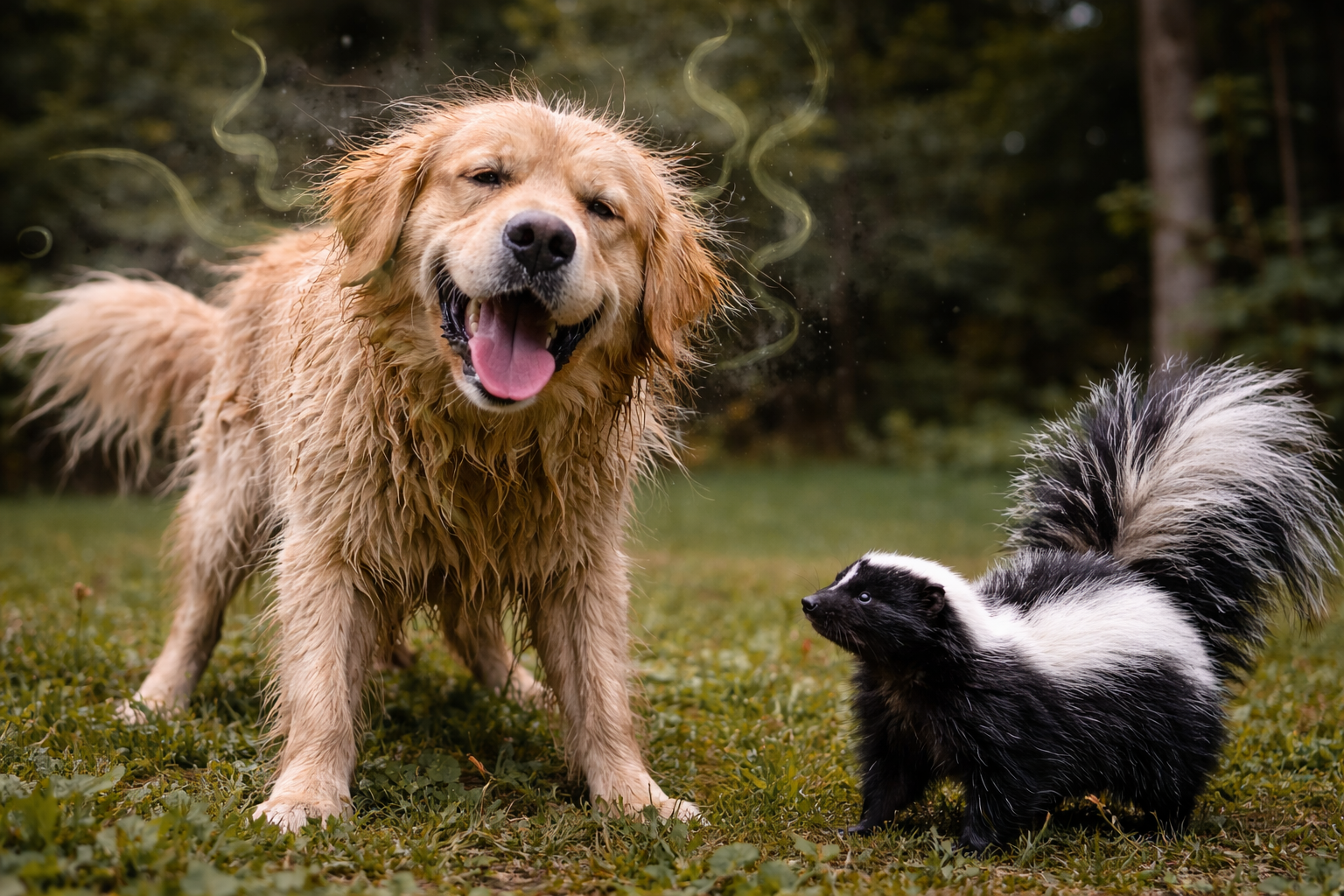
That look of triumphant exploration on your dog's face can quickly turn to one of pure canine misery – and a nose-wrinkling experience for you – when they've tangled with a skunk. The potent, oily spray is a defense mechanism that leaves a lasting impression, to say the least. But don't panic! This comprehensive guide will take you from stink to sweet with proven methods to de-skunk your dog and your home.
Understanding Skunk Spray
Before you dive into de-skunking, it's helpful to understand what you're dealing with.
What is skunk spray made of?
Skunk spray is primarily composed of thiols – sulfur-containing organic compounds. These thiols are incredibly pungent, and even small amounts can be detected by the human nose from a considerable distance. The oiliness of the spray allows it to cling to surfaces, prolonging the odor.
Why do skunks spray?
Skunks spray as a defense mechanism when they feel threatened. It's their way of deterring predators and escaping danger.
How far can a skunk spray?
A skunk can accurately spray up to 10-15 feet, though some can manage even further with less accuracy.
Is skunk spray harmful to dogs beyond the smell?
While the smell is the most obvious issue, skunk spray can also cause temporary blindness, nausea, and even anemia in rare cases. Some dogs may also experience an allergic reaction.
Immediate First Aid: What to Do Right Away
Time is of the essence when your dog gets skunked. Here's what to do immediately:
Assessing the Situation: Is your dog injured?
Check your dog for any signs of injury from the skunk encounter, such as scratches or bites. If you notice anything beyond the spray, contact your veterinarian.
Protecting Yourself: Why wear gloves and old clothes?
Skunk spray transfers easily! Protect yourself by wearing rubber gloves and old clothes that you don't mind potentially throwing away.
Keeping the Skunked Dog Away from Furniture/Indoors.
Contain the situation! Keep your dog outside or in a designated area (like a garage or utility room) to prevent the smell from spreading to your furniture and carpets.
Initial Rinse (if possible and safe).
If your dog is cooperative and the weather permits, give them a quick rinse with plain water to remove some of the surface oil. Avoid getting water in their eyes.
The Best De-Skunking Recipes and Products
Now for the crucial step: banishing the skunk stench!
The Hydrogen Peroxide, Baking Soda, and Dish Soap Recipe: Step-by-step instructions and safety precautions.
This is often considered the most effective DIY solution. Here's how to make it:
- Ingredients: 1 quart of 3% hydrogen peroxide, ¼ cup baking soda, 1 teaspoon of liquid dish soap (like Dawn).
- Instructions: Mix the ingredients thoroughly in an open container (do not store this mixture - use immediately). Apply to your dog's fur, avoiding the eyes. Let it sit for 5-10 minutes, then rinse thoroughly. Repeat if necessary.
-
Safety Precautions:
- Never use a higher concentration of hydrogen peroxide, as it can irritate the skin.
- Keep the solution away from your dog's eyes.
- Do not store the mixture, as it can build pressure and explode.
Commercial De-Skunking Shampoos: Ingredients to look for and avoid.
Several commercial de-skunking shampoos are available. Look for products containing ingredients like enzymatic odor neutralizers or thiols absorbers. Avoid shampoos with harsh chemicals that can irritate your dog's skin.
Fix Common Dog Problems—No Cost Training
Other Home Remedies: Tomato juice, vinegar rinses - do they work?
Tomato juice is a popular old wives' tale, but it's not very effective. It might mask the odor slightly, but it doesn't neutralize the thiols. Vinegar rinses can help, but they are not as powerful as the hydrogen peroxide mixture.
Why *not*to use bleach.
Never, ever use bleach on your dog. Bleach is highly toxic and can cause severe chemical burns and other health problems.
Step-by-Step De-Skunking Process
Follow these steps for a thorough de-skunking:
Gathering Supplies: What you'll need.
You'll need:
- Your chosen de-skunking solution
- Rubber gloves
- Old clothes
- Towels
- Dog shampoo
- Water
- Eye rinse solution (saline solution)
Applying the De-Skunking Solution: Technique and coverage.
Apply the solution liberally to all affected areas, working it into the fur. Avoid the eyes, nose, and mouth. Let it sit for the recommended time (usually 5-10 minutes).
Rinsing Thoroughly: How important is this step?
Rinsing is crucial! Make sure to remove all traces of the de-skunking solution. Residue can irritate your dog's skin.
Shampooing with Dog Shampoo: Removing residue.
After rinsing, shampoo your dog with a regular dog shampoo to remove any remaining oily residue.
Drying Your Dog: Towel drying versus blow drying.
Towel dry your dog thoroughly. Avoid using a blow dryer, as the heat can reactivate any lingering skunk odor.
Where to perform the bath, considering the smell and mess
Ideally, perform the bath outdoors or in a well-ventilated area like a garage or utility room. Anywhere the lingering smell won't be an issue.
Dealing with Sensitive Areas: Eyes, Nose, and Mouth
Extra care is needed when cleaning around your dog's sensitive areas.
Protecting the Eyes: Flushing techniques.
If skunk spray gets in your dog's eyes, flush them immediately with a sterile saline solution. Hold the eyelid open and gently pour the solution into the eye, allowing it to drain out. Repeat several times.
Cleaning Around the Nose and Mouth: Gentle methods.
Use a damp cloth to gently wipe around the nose and mouth, being careful not to get any solution inside.
When to seek veterinary care.
If your dog is showing signs of severe irritation, redness, or swelling around the eyes, nose, or mouth, contact your veterinarian immediately.
Getting Rid of the Smell from Your Home and Belongings
The battle isn't over until the smell is gone from your house!
Ventilation: Opening windows and doors.
Open windows and doors to ventilate your home and air out the skunk odor.
Cleaning Contaminated Surfaces: Safe cleaning solutions.
Clean any contaminated surfaces (floors, furniture, etc.) with a solution of vinegar and water or a commercial odor-neutralizing cleaner.
Dealing with Skunked Clothing and Fabrics: Washing instructions.
Wash skunked clothing and fabrics separately from other laundry. Add 1/2 cup of baking soda or vinegar to the wash cycle. You may need to wash them multiple times.
Neutralizing Odors: Air fresheners, odor absorbers, professional cleaning.
Use air fresheners or odor absorbers to help neutralize the lingering smell. In severe cases, you may need to hire a professional cleaning service.
Preventing Future Skunk Encounters
Let's try to avoid a repeat performance!
Skunk-Proofing Your Yard: Fencing, lighting, and habitat modification.
Install fencing to prevent skunks from entering your yard. Motion-activated lights can also deter them. Remove potential food sources, such as fallen fruit or pet food left outdoors.
Walking Your Dog Safely: Leash etiquette and awareness.
Keep your dog on a leash during walks, especially at dawn and dusk when skunks are most active. Be aware of your surroundings and avoid areas where skunks are likely to be present.
When to let your dog out to roam free, if ever
It's generally not recommended to let your dog roam free, especially in areas with skunk populations. The risk of encountering a skunk is too high.
Training Your Dog: Leave it command.
Teach your dog the leave it command. This can be invaluable in preventing them from investigating something that might turn out to be a skunk.
When to Call a Professional
Sometimes, you need backup.
Signs of a Severe Reaction: Breathing difficulties, vomiting, etc.
If your dog is experiencing breathing difficulties, vomiting, or other signs of a severe reaction, seek immediate veterinary care.
If You Can't Handle the Situation Yourself.
If you are unable to de-skunk your dog yourself, don't hesitate to call a professional groomer or veterinarian.
Professional Groomers and Veterinarians: What they can do.
Professional groomers and veterinarians have specialized de-skunking products and equipment. They can also provide medical care if needed.
Debunking Myths About De-Skunking
Separate fact from fiction.
Common Misconceptions and Ineffective Methods.
Many people believe that bathing your dog with regular shampoo will remove the skunk odor. This is not true. Regular shampoo will only spread the oil around, making the smell worse.
Why Tomato Juice Doesn't Work as Well as You Think.
As mentioned earlier, tomato juice doesn't neutralize the thiols; it only masks the odor temporarily.
Dangers of Certain Quick Fixes.
Avoid using harsh chemicals or attempting any unproven quick fixes, as they could harm your dog.
Long-Term Effects and Follow-Up Care
What to watch for after the de-skunking process.
Monitoring Your Dog's Skin and Coat.
Keep an eye on your dog's skin and coat for any signs of irritation or allergic reaction. If you notice anything unusual, contact your veterinarian.
Veterinary Check-Ups: When are they necessary?
A veterinary check-up is recommended if your dog experienced any injuries during the skunk encounter or if you notice any concerning symptoms after de-skunking.
How long will the faint odor persist even after cleaning?
Even after thorough cleaning, a faint odor may persist for several days or even weeks. Ventilation and continued use of odor absorbers can help minimize the lingering smell.


Leave a comment