Your One-Stop Shop for Everyday Essentials & Unique Finds









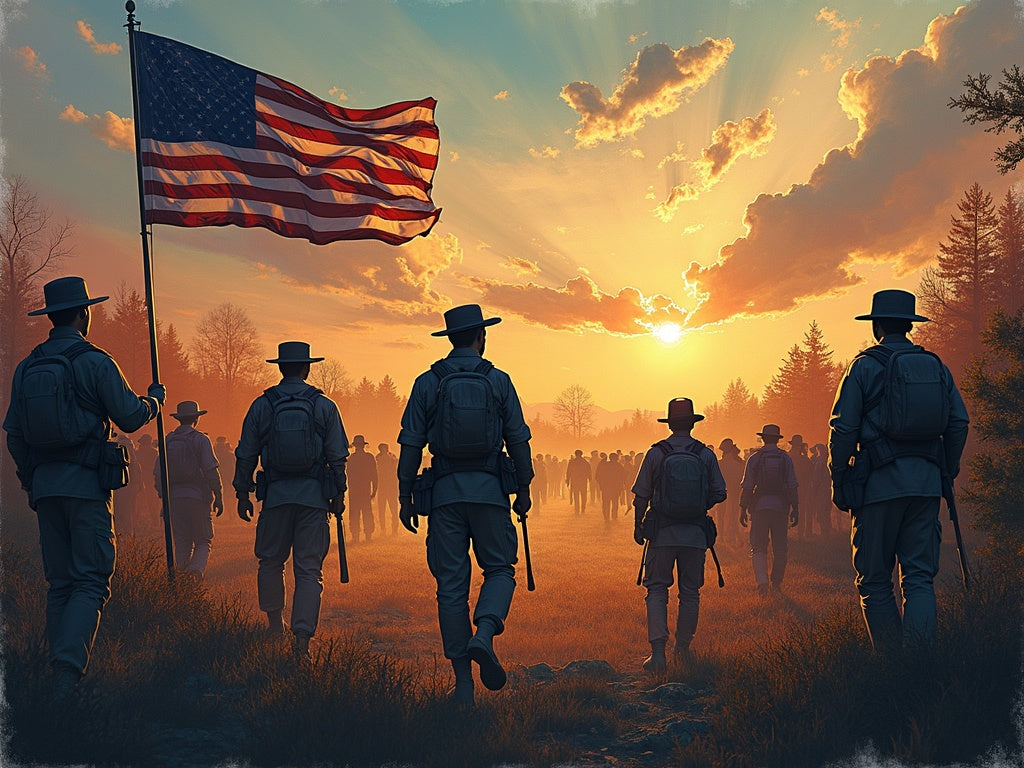
Beyond the Parades: The Untold Story of Honoring Veterans That History Books Missed
Every November 11th, the United States pauses to observe Veterans Day, a time marked by parades, speeches, and somber ceremonies. But behind the familiar red, white, and blue tapestry lies a far richer, more nuanced history of honoring those who served – a history often overlooked in textbooks and mainstream narratives. This is the story of evolving attitudes, forgotten gestures, and the everyday acts of gratitude that truly define what it means to honor a veteran.
From Armistice to Veterans Day: A Seed of Peace
The roots of Veterans Day stretch back to the aftermath of World War I, the war to end all wars. November 11, 1918, marked the signing of the Armistice, a ceasefire that brought an end to the brutal fighting. Celebrated initially as Armistice Day, it was a day dedicated to the cause of world peace.
In 1954, following the immense sacrifices of World War II and the Korean War, the U.S. Congress officially changed the name to Veterans Day. This shift broadened the scope of the holiday to honor all American veterans, regardless of when or where they served. It was a crucial acknowledgement, recognizing that the pursuit of peace often demands the courage and dedication of those willing to defend it.
The Shifting Sands of Sentiment: Wars and Veteran Perception
The way in which veterans have been honored has dramatically shifted, reflecting the nation's changing sentiments about war itself. Following World War I and World War II, a sense of national unity and gratitude prevailed. Veterans were often hailed as heroes, returning home to parades and opportunities.
However, the Vietnam War era brought a stark contrast. Deep divisions within American society about the war translated into a less welcoming reception for returning soldiers. Some veterans faced open hostility, while others were met with indifference, a wound that cut deeper than any physical injury.
The experiences of veterans returning from Iraq and Afghanistan have been complex. While widespread public support for the troops has been evident, many veterans have struggled with invisible wounds like PTSD, facing challenges in accessing adequate mental health care and reintegrating into civilian life.
Whispers of Gratitude: Early and Overlooked Ways of Honoring
Beyond the official ceremonies, early acts of honoring veterans often took quieter, more personal forms. Local communities raised funds to support disabled veterans and their families. Businesses offered preferential hiring to those who had served. Schools held special assemblies where veterans shared their experiences.
One fascinating, lesser-known tradition was the planting of victory gardens during and after both World Wars. These gardens, cultivated in backyards and public spaces, not only provided food but also symbolized the collective effort to support the war effort and honor the sacrifices of those on the front lines.
Honoring All, Equally? The Marginalized Veteran Experience
The ideal of honoring all veterans equally has often fallen short, particularly for marginalized groups. Women, African Americans, Native Americans, and other minority veterans faced discrimination both during their service and upon their return home.
For example, during World War II, the Tuskegee Airmen, a group of African American pilots, distinguished themselves in combat, yet they returned to a nation still grappling with segregation. Their contributions were often downplayed or ignored, highlighting the painful gap between rhetoric and reality.
Similarly, women veterans have historically been underrepresented in traditional honoring ceremonies and have often struggled to access the same benefits and recognition as their male counterparts. Only recently have focused efforts been made to acknowledge the specific challenges faced by women veterans.
From the Ground Up: Grassroots Movements of Support
Recognizing the gaps in government support, grassroots movements have played a vital role in honoring veterans. Vietnam Veterans of America, for example, emerged to advocate for the needs of Vietnam-era veterans, providing support for those struggling with PTSD and Agent Orange exposure.
Today, countless non-profit organizations are dedicated to providing everything from job training and housing assistance to mental health services and recreational activities for veterans. These organizations represent a powerful expression of community-based support, filling the voids and offering personalized care.
Veterans in Verse and Vision: Artistic Expressions of Service
Literature, film, and music have served as powerful mediums for exploring the veteran experience and fostering understanding. From Erich Maria Remarque's All Quiet on the Western Front to Tim O'Brien's The Things They Carried, literary works have offered unflinching portrayals of the realities of war and its lasting impact.
Films like The Best Years of Our Lives and Born on the Fourth of July have tackled the challenges of reintegration and the psychological toll of combat. Musicians, too, have lent their voices, with songs like Bruce Springsteen's Born in the U.S.A. prompting reflection on the promises made and broken to those who serve.
New Traditions: Modern Ways to Honor
In recent years, new and unconventional ways of honoring veterans have emerged. Ruck marches, where participants carry weighted backpacks to simulate the burdens carried by soldiers, have gained popularity as a form of physical challenge and symbolic support.
Online platforms and social media have also become important tools for connecting veterans with resources and sharing stories. Virtual memorials and online tributes offer a way for people to express their gratitude and remember fallen heroes.
The Psychology of Recognition: Being Seen, Being Heard
The act of being honored, or conversely, feeling overlooked, can have profound psychological effects on veterans. Recognition can foster a sense of validation, belonging, and purpose, helping veterans to heal from the traumas of war and reintegrate into civilian society.
However, empty gestures or performative displays of patriotism can be counterproductive, particularly if they are not accompanied by concrete support and resources. For some veterans, privacy and quiet reflection may be preferable to public displays of appreciation.
Global Perspectives: Honoring Veterans Around the World
Different countries approach the task of honoring veterans in unique ways. In France, Armistice Day is a major national holiday marked by solemn ceremonies and school observances. In Australia and New Zealand, ANZAC Day commemorates the sacrifices of soldiers during World War I, fostering a strong sense of national identity.
Examining these diverse approaches can offer valuable insights for the United States. Some countries place a greater emphasis on providing comprehensive social support and mental health services for veterans, while others prioritize preserving the memory of fallen soldiers through memorials and educational programs.
The Unfinished Mission: Ongoing Challenges and Future Directions
Despite the efforts made to honor veterans, significant challenges remain. High rates of suicide, homelessness, and unemployment continue to plague the veteran community. Addressing these issues requires a multifaceted approach that includes not only honoring ceremonies but also robust social programs, accessible healthcare, and meaningful employment opportunities.
The most effective ways of honoring veterans involve listening to their stories, understanding their needs, and advocating for policies that support their well-being. By moving beyond superficial gestures and embracing a commitment to action, we can truly honor the sacrifices of those who have served.
` 

Leave a comment